
Septic Backup
Call (317) 576-3882 for Septic Backup Services
Septic System Backup: Understanding How to Navigate the Issue
Prevent Backups Before They Happen!
Got a Septic System? Good for you! You’re steering clear of municipal sewage lines and taking control of your home’s waste management. But are you clued in on how it all works? Let’s break it down: Your septic system is like a silent, underground hero, managing everything you flush and pour down the drain.
Right at the heart of this system is your septic tank – the crucial chamber that separates liquids from solids, keeping your home’s water flow running smoothly. Think of it as the gatekeeper of your plumbing universe: it needs to stay in top shape for the magic to happen (and to avoid the tragic).
But why is a well-maintained septic system so important? Simple: to keep the convenience of free-flowing drains and toilets, and to prevent a nasty situation like a septic backup that no one ever wants to deal with. A little upkeep goes a long way in ensuring your system stays your unseen ally – and not a smelly liability!
Uncover the Usual Suspects: Common Causes of Septic Backup
Ever wonder what really triggers those messy septic backups? Well, you’re not alone. While these systems are meant to handle a lot, they do have their breaking points. Let’s explore what pushes them over the edge.
Clogs and Blockages: Drains Misbehaving
Clogs and blockages are the usual culprits when your septic system throws a fit. Everything that makes its way down your drains has a role to play. From grease to non-biodegradable bits, these unwelcome guests can cause quite a stir, leading to a backup that nobody wants to deal with.
Improper Use of Toilets: The Flushing Faux Pas
Bathroom etiquette 101 – not everything belongs in the toilet! Be mindful of what you flush. Keep non-degradable items like baby wipes, feminine hygiene products, and even certain types of toilet paper out of the commode. These can form a blockade faster than your water can swirl down the bowl.
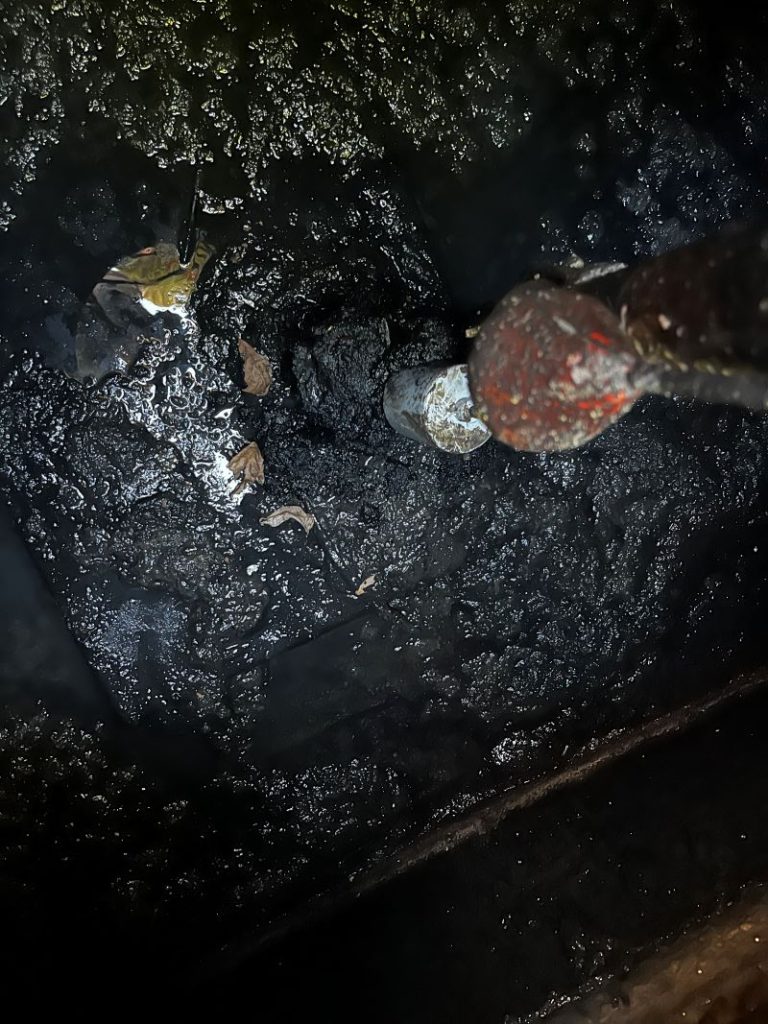
Warning Signs: Tank Talk
Your septic system gives off vibes when it’s feeling the pressure, and these warning signs, like slow drainage or gurgling pipes, indicate that it’s nearing capacity. Pay attention and act promptly to prevent an unwelcome septic surprise!
- Slow drains: If water seems lazier than a sloth when heading down the drain, take heed.
- Gurgling sounds: That's not just water talk - it's a cry for help from your pipes!
- Unpleasant odors: Catch a whiff of something foul? That could be your tank waving a white flag.
Addressing these issues promptly can be the difference between an easy fix and a total septic meltdown. Stay tuned, stay informed, and most importantly, stay on top of your maintenance game!
Emergency Septic Services to the Rescue
When you’re knee-deep in a septic emergency, quick action is critical. That’s where our emergency septic service comes in, offering immediate assistance to rescue you from your septic woes. No matter what time of day, we’re here to answer the call and provide you with the urgent care your septic system needs.
From Drain to Tank: Our Comprehensive Emergency Response Process
Our expert team is well-versed in handling every step of the emergency, from the initial drain blockage to the intricacies of your septic tank. We utilize the latest techniques and state-of-the-art equipment to ensure a prompt, thorough response. Understanding the stress such situations can cause, we aim to restore normalcy to your home as quickly as possible.
Offering Peace of Mind with Our Quick and Efficient Repair Services
- Diagnosis: We rapidly assess the situation to determine the root cause of your septic backup, saving you time and preventing further damage.
- Solution: Equipped to tackle all emergency repairs, our technicians are dedicated to resolving your septic issues, ensuring a seamless and efficient service.
- Prevention: Post-repair, we provide invaluable advice and practical steps to avoid future septic emergencies, granting you peace of mind and a trouble-free septic system.
Rest assured, when a septic disaster strikes, you can count on our emergency septic services to handle the mess and the stress, leaving you with a smoothly functioning system and the tranquility you deserve.
Spotting Trouble: Recognizing Signs of Septic System Failure
Ever had that sinking feeling when things just don’t seem right with your home’s plumbing? Well, your septic system often sends distress signals before it reaches the point of failure. Identifying these signs early can save you from the messy and costly affair that is a full-blown septic backup. Let’s dive into what you should keep an eye (and nose) out for!
Early Warning Signals in Your Water Flow and Plumbing
If you notice that your sinks and bathtubs are draining slower than usual or there is a gurgling sound coming from your plumbing, it’s time to tune in. These are often the first whispers of a septic system asking for help. Similarly, if water takes longer to go down the toilet or comes back up, you’re already in the initial stages of a potential septic crisis.
How a Failing System Affects Toilets, Drains, and Overall Sewage Management
When your septic system isn’t coping, it’ll make itself known through your home’s toilets and drains. Flushing becomes a game of chance-will it go down or not? This is due to the tank being overloaded or drain fields being saturated. Sewage backups may also occur, bringing the worst of the septic contents right back to your door (and nose!).
When to Call in the Professionals: Timing and Urgency in Septic System Care
Here’s the bottom line: don’t wait. The second you spot any strange behavior in your plumbing, it’s time to ring up the septic savants. Timing is critical, and early intervention can prevent a total system failure. Plus, regular maintenance can often catch these issues before they snowball into significant problems. If you’re facing any of the signs mentioned, it’s definitely time to call in the pros.
- Slow draining sinks and tubs
- Gurgling sounds from plumbing fixtures
- Difficulty flushing toilets
- Water backing up in showers or basins
- Foul odors in or around your property
- Noticeably lush patches of grass over the leach field
Don’t take your septic system’s quiet hum for granted. The second things change tune, it’s time to act. A little attention now can prevent the dreaded septic backup later!
Keep Your Septic System Flowing: Prevention Tips
No one wants to deal with the mess and stress that comes with a septic backup. Fortunately, there are preventive measures that can keep your system running smoothly. Let’s dive into how you can avoid the muck with some straightforward tips.
Routine Professional Septic System Cleaning: Why It Makes a Difference
Just like your car needs a regular oil change, your septic system requires routine maintenance to function properly. Professional cleaning helps remove the buildup of solids that could lead to blockages and backups. It’s not just about keeping things flowing; it’s about avoiding costly repairs down the line.
Septic Tank Pumping: How It Prevents Clogs and Maintains Tank Health
Pumping out your septic tank isn’t glamorous, but it’s a critical step in maintaining your system’s health. Experts recommend having your tank pumped every 3-5 years, but this can vary depending on your household size and usage. Waiting too long can result in clogs, unpleasant odors, and, ultimately, a backup situation.
Simple DIY Tips for Everyday Septic System Care
- Be mindful of what goes down the drain. What you flush matters. Avoid sending non-biodegradable items, harsh chemicals, and grease into your system.
- Conserve water. Overwhelming your septic system with too much water can mess with the delicate balance it needs to break down waste. Leaky fixtures? Fix them pronto.
- Think about what’s happening outside, too. Planting trees near your drain field is a no-go-they can interfere with underground septic lines. Also, don’t drive heavy vehicles over the drain field; compacted soil is bad news for your system.
While these tips will go a long way in preventing septic backups, remember that nothing replaces professional care. Regular check-ups can help spot issues before they become big, stinky problems. Keep on top of your septic system, and it will keep serving you without interruption!
Keep Your Septic System in Top Shape with Regular Inspections
Think of your septic system like a car-it needs regular check-ups to run smoothly. Neglecting these check-ups could turn a small issue into a costly system failure. That’s why the importance of regular septic inspections cannot be overstated. Here, we’re going to delve into why these inspections are crucial for your septic system’s health and your peace of mind.
Early Detection Saves Your System and Wallet
Annual or biannual inspections can catch sneaky problems before they snowball into full-fledged disasters. Just like catching a disease early can lead to a better outcome, the same goes for your septic system. Scheduling regular septic inspections could mean the difference between an easy fix and a total system replacement.
Custom Inspection Plans for a Happy Septic System
Your septic system is unique, with its own set of requirements and care. Custom-tailored inspection plans account for the size of your tank, the amount of use it gets, and the specific environment it’s in. This personalized approach ensures that your septic system will continue running efficiently for years to come-tailoring the inspection to your septic system’s individual needs lengthens its lifespan.
- Identify Issues: Inspections help find potential risks and maintenance needs.
- Preventative Maintenance: Taking care of minor issues now can prevent major repairs later.
- System Longevity: Regular check-ups can help your septic system last longer, saving you money and hassle.
Don’t wait for a backup to remember your septic system-regular inspections are the key to a healthy, long-lasting septic system. Get in touch with professionals to set up an inspection schedule that suits your system’s needs and take one more step towards stress-free septic system ownership.
Understanding the Price Tag of Septic Backup Clean-up
Let’s talk about the costs of fixing a septic backup, because if you’ve ever experienced one, you know it’s not just the unpleasant sights and smells you have to worry about. The financial impact on your wallet can be just as distressing. When it comes to cleanup and repairs, you may find yourself digging deeper into your pockets than you’d like.
The True Financial Impact of Neglect
Ignoring your septic system can lead to substantial costs down the line. When a backup occurs, you’re not just dealing with a simple tank pump-out. You could be looking at extensive damage to your property, potential contamination of your water source, and a whole host of other troubles that demand immediate – and often expensive – attention. The bill for clean-up services alone can be a jolt to your budget.
Invest and Save: Regular Maintenance as Prevention
You might be wondering – could this financial nightmare have been avoided? In many cases, the answer is yes. Investing in regular maintenance is like buying insurance for your septic system. With consistent inspections and timely pumping, the risk of a backup decreases significantly, meaning you’re less likely to face the hefty clean-up costs that come with emergency services. Think of it as protecting your wallet by protecting your septic system.
- Regular inspection fees
- Scheduled septic tank pumping costs
- Potential minor repairs
Comparing these expenses with emergency fix prices, you’re likely to find that the cost of prevention pales in comparison to the cost of cleanup and repair from a septic backup. It’s not just smart septic system management; it’s smart finances.
Is Your Septic System Covered? Navigating Insurance Like a Pro
When your septic system hits a snag, it’s not just the inconvenience you’ll need to worry about. The cost to get everything back on track can be pretty steep, too. Here’s the real talk about what typical homeowner insurance policies will cover when it comes to septic systems, and some savvy tips to help you deal with insurance claims if you’re faced with septic system repairs.
Understanding Your Homeowner Insurance Policy
Before you’re knee-deep in septic system issues, it’s crucial to know where you stand with your insurance. Many homeowner policies don’t automatically include septic backup coverage. It’s often considered an add-on or rider that you need to invest in separately. So, take a moment to check out the fine print in your policy, so you’re not caught off guard.
Tips for Dealing with Insurance Claims
- Documentation is key: As soon as you suspect a septic issue, start documenting everything. This means taking photos, keeping receipts, and detailed notes of all communications and repairs.
- Report ASAP: Notify your insurance company immediately. Prompt reporting can sometimes be a condition of coverage.
- Understand the process: Insurance companies usually have their specific processes for filing a claim. Familiarize yourself with the steps and follow them closely to avoid any hiccups.
- Get professional support: Consider hiring a public adjuster if you’re dealing with a significant claim. They can help you navigate the process and ensure you get the coverage you’re entitled to.
Dealing with septic issues is no walk in the park, but understanding your insurance coverage and knowing how to efficiently handle claims can lift a major weight off your shoulders. Take these tips to heart and give yourself the peace of mind that you’ll be able to tackle septic backups head-on, insurance-wise.
Ready to Tackle Your Septic Troubles? Get in Touch!
Don’t let septic backup become the nightmare of your household. Our team of seasoned experts is just a click or call away, ready to restore health and harmony to your septic system. We’re here to offer you a helping hand with top-notch services and advice that will keep your septic system running smoothly.
- Looking for an immediate consultation?
Securing a healthier septic system is pivotal – don’t wait for a backup to take action. Use the easy contact form on our website or give us a call today to schedule your consultation and take the first step towards a robust and reliable septic system. Remember, a little prevention goes a long way. Reach out now and let’s ensure your septic system is nothing but smooth sailing!