
Septic Drain Field Installation
Call (317) 576-3882 for Septic Drain Field Installation
The Heart of Your Septic: The Drain Field
At the core of any efficient septic system is a properly functioning drain field, a crucial component that determines the overall health and longevity of your septic setup. A drain field, sometimes referred to as a leach field, plays a pivotal role in treating and distributing the effluent that emerges from your septic tank.
Drain Field Lifespan and Function
A well-installed drain field can be the difference between a seamless, worry-free experience and a problematic one. The lifespan of a drain field can vary significantly, typically ranging from 15 to 30 years. This longevity depends on various factors, including the soil conditions, the size of your drain field, and the level of maintenance it receives. The primary function of the drain field is to receive the partially treated wastewater from the septic tank and further purify it as the wastewater percolates through the soil, ultimately recharging groundwater sources.
Size and Capacity
Tailoring the size of the drain field to your home’s needs is essential for effective wastewater management. The size is determined based on the anticipated amount of wastewater to be processed, which is directly related to the number of inhabitants and potential waste. Local regulations may also dictate the minimum requirements for drain field size. By customizing the capacity of the drain field to align with your household size and usage patterns, you can ensure optimal operation and avoid common problems associated with undersized or oversized systems.
- Too small: might result in frequent backup and accelerated wear.
- Too large: unnecessary space consumption and potential compliance issues with local codes.
Understanding the inner workings of your drain field is not just about technicalities; it’s about safeguarding the heart of your home’s waste disposal apparatus. Proper installation not only ensures efficiency but also contributes to the preservation of the environment by preventing contamination and promoting sustainable water use.
Recognizing Trouble: Signs of Drain Field Failure
Early Warning Signs: How to spot drain field problems. Identifying issues with your septic drain field early can save you from costly repairs and environmental contamination. Be on the lookout for unusual or foul odors emanating from the drain field area. Check for standing water or soggy ground near your septic system, even when there hasn’t been heavy rain. Listen for gurgling sounds coming from your plumbing system, indicating potential backups. Also, keep an eye out for unusually green or fast-growing grass around the drain field, as this could signify excess moisture where it shouldn’t be.
The Consequences of Inaction: What happens if issues aren’t addressed?
Ignoring these warning signs can lead to full system failure, which not only disrupts daily life but also results in expensive repairs. Moreover, a failing septic drain field can contaminate nearby water sources and create serious health hazards.
The environmental impact can be significant too, affecting local ecosystems and wildlife. To prevent these negative outcomes, swift action is necessary at the first indication of trouble.
- Odors—strong sewage smells near the drain field can be a telltale sign.
- Wetness—overly saturated soil in the drain field area, without recent heavy rains.
- Gurgling—unusual sounds from your plumbing system can hint at blockages.
- Lush Grass—unexpectedly green grass over the field may indicate leakage.
The Impact of Your Lifestyle: Household Waste and Water Use
Everyday activities from washing dishes to showering can significantly influence the health of your septic system. It’s imperative to understand how household waste and habitual water use impact your septic drain field installation, ensuring both environmental protection and system longevity.
Household Waste: What Not to Put Down the Drain
Your septic system is not a garbage disposal. Improper disposal of certain materials can disrupt the delicate bacterial balance crucial for breaking down waste. To safeguard your septic system, consider the following:
- Never flush non-biodegradable items like wipes, feminine hygiene products, or condoms.
- Avoid pouring grease, oils, or fats down the drain, as they can clog the soil in your drain field.
- Limit the use of harsh chemicals, including bleach and detergents, which can kill the essential bacteria in the system.
- Dispose of medications responsibly. Do not flush them; they can contaminate groundwater and harm your septic system.
Water Conservation Practices: Protecting Your Septic System and the Environment
Excessive water use puts pressure on your septic system, potentially leading to malfunctions or drain field saturation. These simple water-saving tips can make a significant difference:
- Fix leaks: A dripping faucet or running toilet can waste gallons of water daily, stressing your system.
- Spread out laundry days: Staggering washing machine use helps prevent overwhelming your septic system with large volumes of water at once.
- Install water-efficient fixtures: Low-flow toilets and showerheads reduce water consumption, thereby prolonging the life of your septic system.
- Avoid long showers: Shorter showers mean less water filtering into your septic system.
Adopting these practices can enhance your septic system’s efficiency and protect your investment in septic drain field installation while also conserving vital environmental resources.
When It’s Time for a New Drain Field: Installation and Replacements
Ensuring the functionality of your septic system is vital, and the drain field is a critical component that sometimes needs replacement for your system to perform optimally. How do you know when to move forward with a fresh installation? Here’s what you need to consider.
Recognizing the Need for Replacement: Making the Case for a New Drain Field
Several signs might indicate your drain field requires attention or even replacement. Persistent foul odors, soggy ground, or backed-up plumbing can all signal that your drain field is failing. When these signs begin to manifest, it’s time to contemplate installing a new drain field to protect your property and maintain a healthy septic system.
The Installation Process: What Homeowners Can Expect During Installation
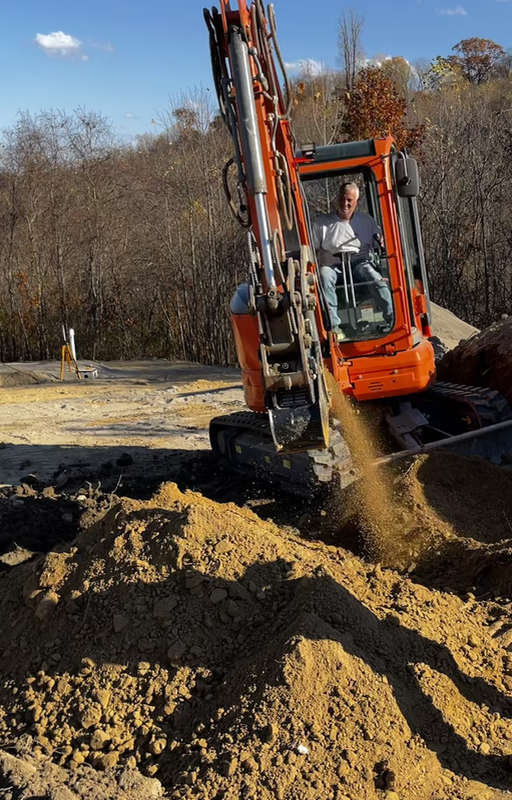
The process of septic drain field installation is meticulous and requires professional expertise. It typically involves clearing the designated area, performing a series of measurements, and excavating the soil to prepare for the new pipes and drain field materials. Throughout this process, a skilled team will ensure that every step is done accurately to prevent future complications and ensure regulatory compliance.
Choosing the Right Professional: Why Choose Our Experienced Septic Service Providers
The success of your septic drain field installation is highly dependent on the expertise of the professionals you hire. Our team of experienced septic service providers is equipped with the knowledge and tools to ensure that your new drain field is installed correctly, adheres to all environmental regulations, and is set up for long-lasting performance. With a focus on quality and customer satisfaction, choosing our trusted professionals ensures that your septic needs are met with the utmost precision and care.
- Extensive experience in septic drain field installations and replacements.
- Commitment to eco-friendly installation practices.
- Clear communication through every step of the installation process.
- A proven track record of successful septic solutions for homes and businesses.
Costs and Investment: Understanding the Financials
When considering septic drain field installation, it’s essential to understand the associated costs and investment required. A properly functioning septic system is crucial for maintaining the health and hygiene of your property. Below we’ll explore the financial aspects of replacing and repairing a drain field, as well as the importance of investing in quality installation services.
Understanding the Costs: Breakdown of Replacement and Repair Costs
The cost of replacing or repairing a septic drain field can vary widely based on a number of factors. These include the size of the drain field, soil type, the complexity of the system, and regional labor rates. Here’s a breakdown of potential costs:
- Material Costs: Pipes, gravel, and other materials needed for construction.
- Labor Costs: Professional installation services and equipment usage.
- Permitting Fees: Local regulations may require permits for drain field work.
- Site Preparation: Necessary landscaping or excavation before installation.
- System Design: Custom designs may be required for non-standard sites.
Costs can range from a few thousand dollars for minor repairs to tens of thousands for a complete system installation.
Expensive vs. Cost-Effective: Investing in Quality Installation and Why It Matters
It might be tempting to opt for the lowest bid on your septic drain field installation, but choosing a high-quality service provider pays off in the long run. Here’s why:
- Longevity: A well-built drain field will last longer, saving you money and hassle over time.
- Performance: Quality workmanship results in a system that functions efficiently, preventing backups and other issues.
- Compliance: Experienced installers will ensure that your system meets all local health and environmental regulations.
- Warranty: Reputable companies often offer warranties on their work, providing peace of mind and protection against unforeseen issues.
Investing in a quality septic drain field installation is a decision that will impact the functionality and value of your property for years to come. Make sure to discuss all available options with your installation professional to understand the best long-term solution for your septic system needs.
Navigating Regulations: Permits and Local Laws
Ensuring the correct installation of a septic drain field not only involves technical know-how and an understanding of soil science, it also requires careful navigation of various local regulations and permits. As a homeowner, it’s crucial to be informed about these legal prerequisites before commencing any installation project.
Local Regulations and Permits: What You Need to Know Before Installation
Before you break ground on a new septic drain field, investigate the local regulations governing septic systems. Many localities have specific requirements regarding the size, location, and construction of drain fields, tailored to protect the environment and public health. You will likely need to secure a permit from the appropriate governmental agency, which could require detailed plans of your system, proof of property ownership, and sometimes a fee.
Compliance is Key: Ensuring Your Installation Meets All Legal Requirements
Compliance with local laws ensures that your septic system is not only legal but also safe and effective. Neglecting these regulations can lead to costly fines, delays in construction, and ongoing issues with your system. At times, subsequent modifications to bring an improperly installed septic system up to code can be more expensive than the initial installation. It’s also worth noting that legal requirements can vary significantly not just from state to state, but often from one county or municipality to another.
- Research: Start with a thorough investigation of local septic system requirements. Keep an eye out for any recent changes in legislation that might affect your installation plan.
- Permit Application: Obtain and correctly fill out the necessary permit applications. You may need to submit site plans and soil tests for approval.
- Expert Consultation: Consult with a septic system professional who is familiar with the local codes and can help ensure that your system will meet all requirements.
- Inspections: Be prepared for inspections at various stages of the installation process, which are often required to confirm that the work meets regulatory specifications.
Responsible septic drain field installation not only protects your investment but also contributes to the well-being of your community’s ecosystem. By familiarizing yourself with the necessary permits and local laws, you’ll take a significant step towards a successful and compliant installation.
Upgrading Your Septic System
If your septic system is aging or you’re encountering frequent issues, it might be time to consider an upgrade. Technology has advanced, offering innovative solutions that can enhance the efficiency and reliability of your septic system. Upgrading is not just about addressing current problems – it’s about setting your home up for the long run. Let’s explore the options available for septic system upgrades and the benefits they bring.
Options for Upgrades: Innovative solutions and septic system enhancements
- Aerobic Treatment Systems: These systems introduce oxygen into the process, which helps to break down waste more quickly and efficiently.
- Drip Irrigation: An eco-friendly option that slowly releases wastewater into the soil, which is beneficial in areas with less-than-ideal soil conditions.
- Septic Tank Risers: Installing risers makes it easier to access your septic tank for routine maintenance and inspections.
- Effluent Filters: These filters prevent solids from entering your drain field, thus prolonging its life and performance.
Benefits of Upgrading: Long-term savings and improved system performance
Upgrading your septic system comes with a host of benefits. Though there’s an upfront cost, the long-term savings can be significant. With a more efficient system, you’ll face fewer breakdowns and costly repairs. Additionally, a well-functioning system is better for the environment, minimizing the risk of soil and water contamination. Consider the following benefits:
- Extended System Life: Innovative technologies can extend the lifespan of your septic system, delaying the need for total replacement.
- Better Performance: Enhanced systems deal with waste more effectively, reducing the chances of backups and drain field failure.
- Environmentally Friendly: Upgraded systems are often more eco-friendly, conserving water and minimizing pollution.
- Increased Property Value: A modern, efficient septic system can be a selling point if you decide to put your home on the market.
Schedule Your Septic Drain Field Evaluation Today!
Take charge of your septic system’s health and longevity. An expertly installed septic drain field is essential for the proper functioning of your septic system, and it all begins with a comprehensive site evaluation. By scheduling your appointment today, you’re taking the next step towards ensuring a reliable and efficient septic system for years to come.
- Ease of Booking: We’ve made it simple for you to schedule an appointment. Avoid the hassle and get started with ease.
- Expert Consultation: Our team is standing by to provide you with a thorough evaluation and answer any questions you might have about septic drain field installation.
- Invest in Your Property: A well-maintained septic system adds value to your home. Take action now to protect your investment.
Don’t wait until it’s too late! Contact us today to arrange for a professional evaluation of your property’s needs. Our experienced technicians are ready to guide you through every step of the septic drain field installation process. Schedule your appointment now and rest easy knowing you’re in capable hands.