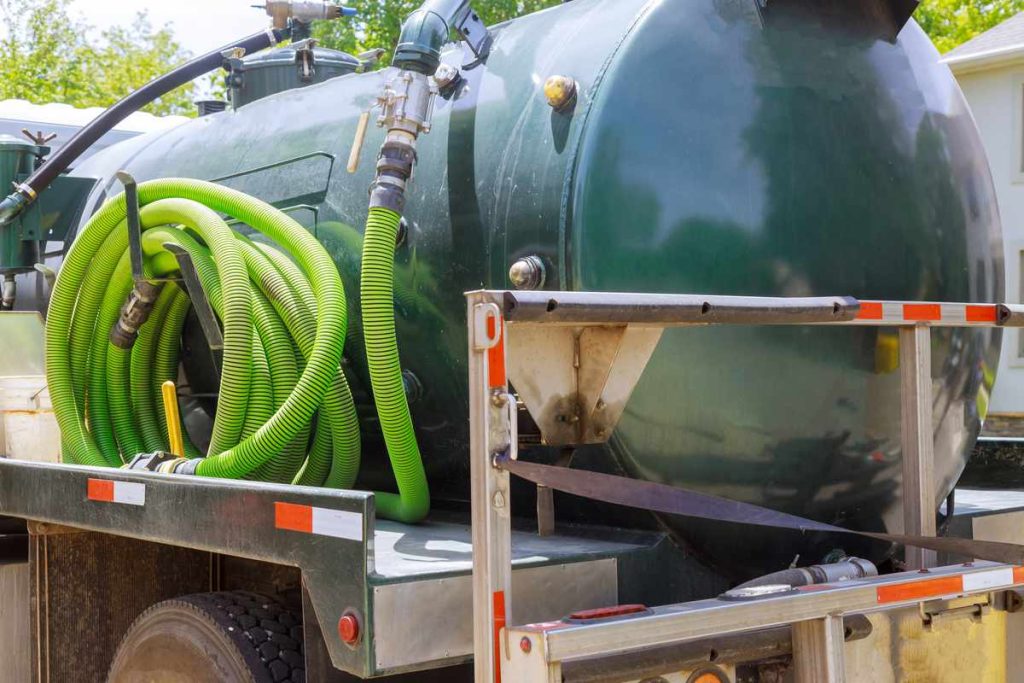
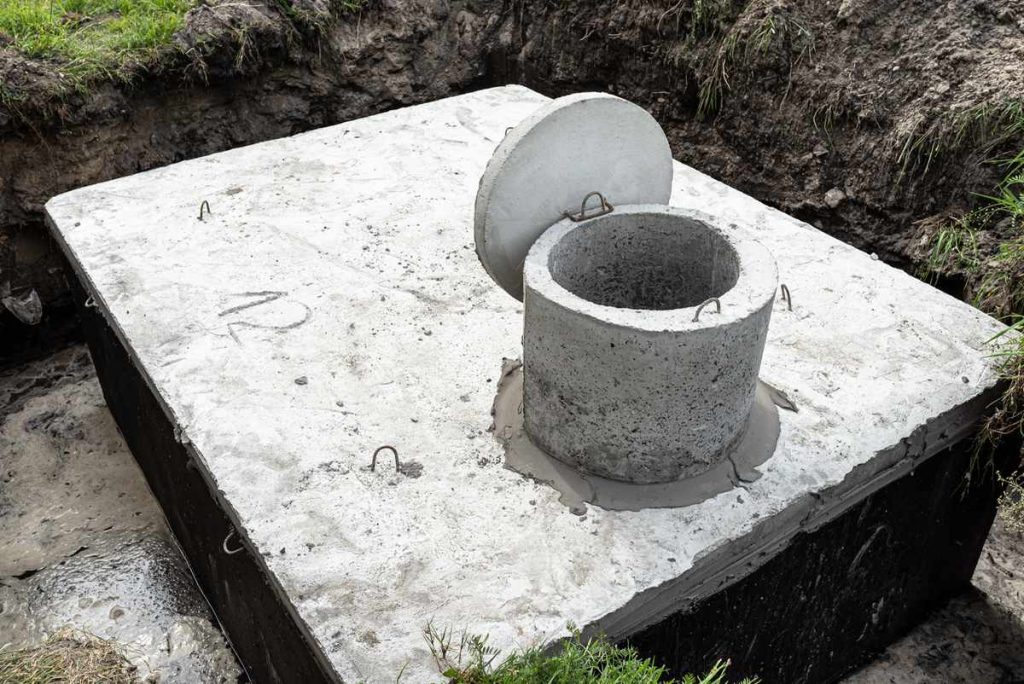
Regular septic tank maintenance, typically recommended every three to five years, guards your property against damaging backups. Overlooking the upkeep of your septic system can lead to costly damages to your home and surrounding environment. Fortunately, a range of professional services is available to support homeowners with comprehensive septic tank maintenance. These services ensure that septic systems function effectively, preventing the inconvenience and expense of unexpected failures.
Unraveling the Causes of Septic Tank Backups: Inlet and Outlet Pipe Clogs
Septic tank systems handle waste in a manner that necessitates continuous, uninterrupted flow. When blockages form in the inlet or outlet pipes, this process is compromised, leading to backups. These clogs are typical culprits in impairing septic system functionality.
Signs of clogged septic system pipes manifest in multiple ways:
- Slow draining sinks and toilets suggest reduced flow rates.
- Gurgling sounds from plumbing fixtures may indicate trapped air struggling to escape through obstructed pipes.
- An odor of raw sewage near the septic tank or drain field could signal an obstruction pushing gases through alternative routes.
Taking proactive steps can help mitigate the risk of clogs. Care should be taken to ensure only appropriate materials are flushed or washed down drains. Homeowners might also schedule regular inspections and cleanings to maintain clear pipes and preempt obstructions.
Professionals possess specialized equipment and expertise to both resolve and prevent blockages in septic systems. They utilize tools such as motorized drain augers and high-pressure water jets to dislodge and remove debris that could cause future backups. Regular maintenance by these experts can be a wise investment in ensuring the longevity and efficiency of a septic system.
The Impact of Non-biodegradable Wastes on Your Septic System
Introducing non-biodegradable materials into a septic system leads to significant problems. These materials include plastics, feminine hygiene products, and other household items that do not break down easily. When flushed down toilets or drains, they accumulate within the septic tank, leading to blockages and reduced efficiency.
Common Non-biodegradable Materials That Harm Septic Tanks
- Sanitary napkins and tampons
- Condoms
- Dental floss
- Cotton swabs
- Diapers
- Cigarette butts
- Plastic wrappers
Tips on What Not to Flush Down the Toilet
Only human waste and toilet paper should be flushed down the toilet. Refrain from disposing of household waste, such as grease or coffee grounds, even if labeled as “flushable.” Adherence to these practices prevents damage to your septic system.
How Non-biodegradable Wastes Disrupt Septic System Bacteria
Non-biodegradable wastes impede the breakdown process of organic matter inside septic tanks by disrupting the bacteria’s ecosystem. Accumulation of such materials compacts the tank, diminishing the bacteria’s capacity to treat waste effectively, thereby causing a backup.
Flow Overload: Avoiding Septic System Water Induced Failure
Excessive water use strains septic tanks, surpassing the system’s designed capacity and risking functional impairment. Each septic system can manage a finite volume; understanding this limit guides responsible water consumption. Without adherence to these capacity constraints, the system can malfunction, leading to backups and potential property damage.
Understanding the Capacity of Your Septic Tank
A septic tank’s size dictates the household’s water treatment capability. Typically measured in gallons, the capacity is aligned with the expected daily water use of a household. Knowledge of this parameter permits homeowners to adjust water usage, thereby nurturing optimal system operation and longevity.
Tips for Reducing Water Usage to Prevent Overwhelming the System
- Instigate shorter shower durations, directly lessening the daily water throughput.
- Employ water-efficient fixtures, which diminish water flow and aggregate consumption.
- Launch a conservation-minded landscaping plan, reducing outdoor water demands.
- Execute full laundry and dishwasher loads, ensuring maximal appliance efficiency.
Small adjustments can significantly reduce water inflow to septic systems, forestalling an overtaxed treatment process. A proactive approach to managing household water use not only preserves the integrity of your septic system but also contributes to broader ecological conservation.
The Role of Water Conservation in Mitigating Septic Tank Overload
Water conservation emerges as a dual-benefit strategy; it both safeguards the home’s septic system and contributes to the sustainability of the local water supply. By limiting consumption, one proactively reduces the likelihood of septic overflow incidents. This not only protects the ecosystem but avers costly repairs and unsanitary backup situations.
Tree Roots: Hidden Enemies of Septic Systems
The encroachment of tree roots into septic systems frequently escapes homeowners’ notice until significant damage surfaces. These subterranean invaders pursue moisture and nutrients, which often lead them directly into the pipes and tanks of septic systems.
The Risks of Tree Root Intrusion into Septic Systems
Once tree roots penetrate your septic system, blockages and structural damage are often imminent. Roots can clog pipes leading to and from the septic tank, impeding the normal flow of wastewater. Moreover, as they grow, they may exert pressure on the tank walls or piping, leading to cracks or bursts.
How to Spot the Signs of Root Damage
Recognizing early indicators of root interference can avert costly repairs. Slow draining sinks, gurgling sounds from plumbing fixtures, or unexplained lush growth in the drain field area warrant a professional assessment. Frequent backups and odors also suggest root penetration.
Preventive Landscaping Tips to Safeguard Your Septic System
To mitigate the risk of root-related damage, consider the species and placement of trees in relation to your septic system. Opt for slow-growing varieties with less aggressive root systems, and plant them at a considerable distance from septic lines. Employ barriers, such as root shields, to deflect root growth away from vulnerable areas. Partner with landscaping professionals who understand the intricacies of septic-safe gardening.
Managing Sludge and Scum Layers in the Septic Tank
Over time, septic tanks develop layers of sludge at the bottom and scum at the top. These are byproducts of the natural sewage digestion process. Sludge is denser, consisting mostly of decomposed solid materials, whereas scum comprises lighter substances like fats, oils, and grease that float above the wastewater.
The Natural Buildup of Sludge and Scum Layers
Left unchecked, these substances accumulate, potentially diminishing your septic system’s functionality. This buildup reduces the active volume of the tank, effectively decreasing its capacity to properly treat wastewater.
How Regular Maintenance Can Manage These Layers
Scheduled pumping of the septic tank, typically every 3 to 5 years, removes sludge and scum. Professionals are able to determine the appropriate intervals based on usage and system size, ensuring these layers remain at manageable levels.
- Inspection – Routine inspections help detect early signs of excessive buildup.
- Measurement – Experts measure the thickness of these layers to decide when pumping is necessary.
- Pumping – The process of removing sludge and scum is critical to extend the life of the entire septic system.
Failure to schedule regular maintenance allows sludge and scum to occupy most of the tank. Wastewater then spends less time in the tank, causing inadequate breakdown of solids. This scenario can lead to blockages and backups.
The Consequences of Ignoring Sludge and Scum Accumulation
When excessive sludge and scum are not addressed, the result includes unpleasant odors, slow drainage, and potential backups. Sewage may surface in your yard or back up into household drains, posing significant health risks and environmental concerns.
Maintaining the health of your septic tank is a proactive measure that saves time and money. Understanding and controlling the levels of sludge and scum prevent common issues, protecting your property and the environment.
Examining the Impact of Antibacterial Products on Septic Systems
Effective waste decomposition in septic systems relies on bacteria’s natural role. These microorganisms break down solids and reduce the risk of backups. However, antibacterial products can significantly shift this balance.
Products tagged ‘antibacterial,’ such as certain cleaning solutions, soaps, and hand sanitizers, often contain chemicals with the potential to eliminate essential bacteria in septic tanks. When homeowners use these products excessively, the destruction to the bacterial ecosystem in the septic tank can be severe, leading to a decrease in the breakdown of waste and an increased risk of backups and system failure.
To mitigate the adverse effects on septic systems, residents should opt for septic-safe cleaning agents. These are often labeled as ‘septic safe’ and contain ingredients that will not harm the vital bacterial colonies. In lieu of antibacterial chemicals, homeowners might consider natural alternatives like baking soda, vinegar, or lemon juice for routine cleaning. These natural substances provide effective cleaning without the destructive impact on the necessary bacteria within the septic system.
- Prioritize products with labels indicating compatibility with septic systems.
- Research ingredients in household cleaners to ensure they are non-toxic to septic system bacteria.
- For disinfection, consider diluting antibacterial products to minimize their impact.
Regularly integrating these practices into household maintenance routines can preserve the septic system’s function and prolong its lifecycle.
Understanding the Culprits Behind Septic System Backups
Septic tank backups stem from various factors including blockages from sludge build-up, careless disposal of non-biodegradable wastes, and structural issues. Additionally, excessive water consumption, compromised drain fields, invasive tree roots, and the use of harmful chemicals can disrupt septic system integrity. Recognizing these triggers facilitates a proactive approach to septic tank management.
Proactive maintenance and smart usage practices are instrumental in negating the need for costly repairs. Regular inspection and pumping of the septic tank, prudent water use, and careful waste disposal significantly prolong the functionality of a septic system. These actions not only contribute to a healthy septic system but also play a critical role in safeguarding environmental and personal health.
Engaging professional septic services ensures the longevity and efficacy of your septic system. Trained experts can provide thorough inspections, issue identification, and tailored solutions that address and prevent septic tank issues. Enlisting their help is a strategic move for continuous system performance and backup prevention.
For those interested in safeguarding their septic systems and preventing backups, consider scheduling an inspection or signing up for regular maintenance services. Explore additional educational resources on septic system care to deepen your understanding of your system’s needs. Your experiences and inquiries regarding septic tank challenges are also welcome. Sharing insights encourages a broader conversation on effective septic system management.