Material Durability: Concrete vs. Plastic Septic Tanks:
When considering a septic tank for your property, understanding the durability of the materials used is critical to ensuring a long-term solution. Concrete and plastic are two common materials, each with its own set of advantages and challenges in terms of durability.
Durability of Concrete Tanks Versus Plastic Tanks
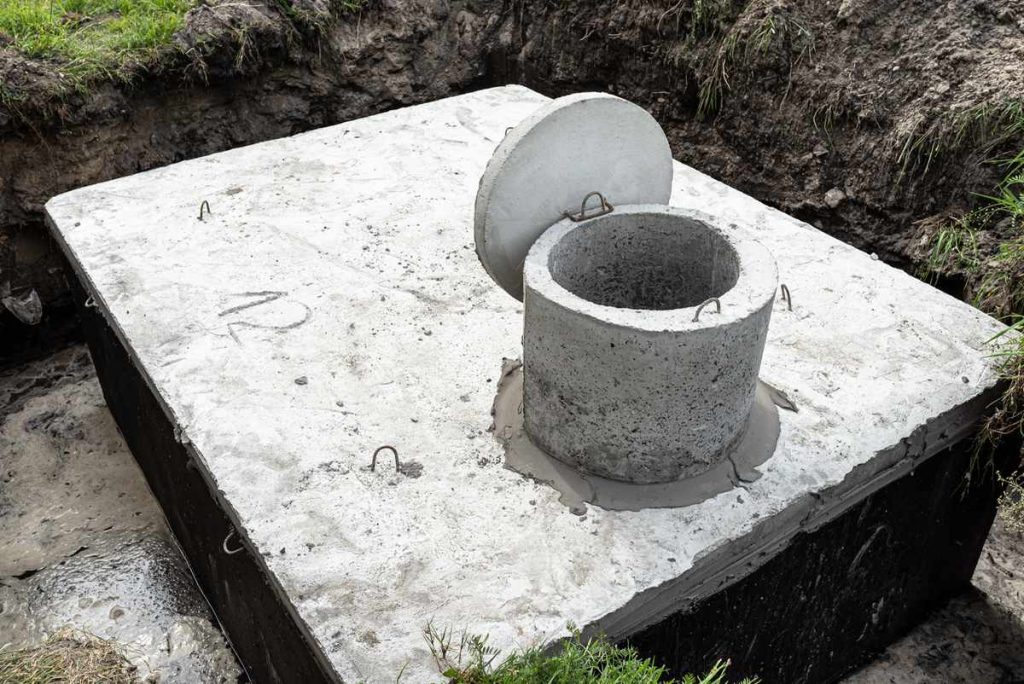
Concrete septic tanks are known for their strength and lasting power. They are capable of withstanding heavy external pressures, making them less likely to collapse over time. Conversely, plastic septic tanks, typically made from polyethylene or fiberglass, offer a lightweight and corrosion-resistant alternative. However, they may not fare as well under heavy soil or when exposed to high-pressure situations, which can result in deformation or damage.
Impact of Soil Conditions and Roots on Tank Integrity
The surrounding environment plays a crucial role in the longevity of a septic tank. Soil conditions, such as high moisture content or excessive load, can affect the stability and integrity of both concrete and plastic tanks. Additionally, the intrusion of roots from nearby vegetation can lead to cracks or breaches in a septic tank’s structure. Concrete tanks generally offer more resistance to roots and soil pressure compared to their plastic counterparts.
How to Make the Best Choice for Longevity
Selecting the most durable material for a septic tank depends on a range of factors, including environmental conditions, installation site, and budget. It’s important to:
- Assess the soil type and potential for root intrusion at the installation site.
- Consider the weight-bearing capacity of the soil to support a heavy concrete tank.
- Factor in the potential need for corrosion resistance, where plastic tanks have an edge.
- Consult with professionals who can offer guidance based on local climate and soil characteristics.
By taking these aspects into account, you can make an informed decision that balances durability with other factors to arrive at the best septic tank choice for your property’s unique needs.
Weight and Transportation: Concrete vs. Plastic Septic Tanks
When considering the logistics of installing a new septic tank, one of the critical factors to address is the weight and transportation of the tank itself. This stage is often overlooked initially, but it can play a crucial role in the total cost and complexity of your project.
The Challenges of Weight and Logistics in Transporting Tanks
Concrete septic tanks are known for their durability and longevity, but this comes at a cost of increased weight. A concrete tank can weigh several tons, posing significant challenges when it comes to transportation and installation. This often necessitates specialized heavy machinery, such as cranes and larger transportation vehicles, which can increase the overall cost and require careful planning to maneuver into place safely.
Planning for Heavy Concrete Tank Movement Versus Lighter Plastic Options
On the other hand, plastic septic tanks offer a substantial advantage in the realm of weight and transport. Being significantly lighter than their concrete counterparts, plastic tanks are easier to transport and often require less specialized equipment for installation. This weight difference can not only simplify the logistics but can also reduce the risk of damage to your property during the installation process. Furthermore, the lighter nature of plastic tanks can provide more flexibility in choosing the tank’s final location.
- Concrete tanks require careful planning and heavy machinery for transportation.
- Plastic tanks weigh less, simplifying transport and reducing installation costs.
- The choice of tank material can impact the installation time and property damage risk.
Understanding the differences in weight and associated transportation requirements between concrete and plastic septic tanks is vital for homeowners and installers. By considering these factors, you can ensure a smoother installation process and potentially save on costs and time.
Resistance to Corrosion and Chemicals in Septic Tanks
When deciding between a concrete or plastic septic tank, an important factor to consider is how well each material withstands the harmful effects of corrosive substances. Understanding this can help ensure a long-lasting septic system while minimizing risks to the environment.
Evaluating Concrete Septic Tanks
Concrete tanks are known for their durability, but corrosive substances can pose a significant risk to their structural integrity over time. High concentrations of household chemicals, acidic waste, and other harsh substances may lead to chemical degradation of concrete. This process might slowly erode the tank walls, leading to potential leaks and contamination of surrounding soil and groundwater.
Evaluating Plastic Septic Tanks
On the other hand, plastic septic tanks, typically made from polyethylene or fiberglass, are highly resistant to chemical corrosion. They do not react with most of the corrosive agents found in septic systems. This makes them a good choice for households that produce waste with high levels of chemicals. Such resistance can also contribute to a longer lifespan of the tank itself, leading to decreased likelihood of leakage and reduced maintenance costs.
Long-Term Chemical Resistance and Groundwater Safety
The long-term resistance of septic tank materials to corrosive chemicals is crucial, not just for the longevity of the tank, but also for protecting groundwater safety. A chemically resistant septic tank will less likely contaminate the surrounding environment, ensuring the health and safety of local ecosystems and human populations alike. When septic tanks fail due to corrosion, the cost and environmental impact of cleaning up can be substantial.
- Concrete Septic Tanks: Can be more susceptible to corrosion which may require additional coatings or treatments to extend their lifespan and protect the environment.
- Plastic Septic Tanks: Offer excellent chemical resistance naturally, reducing the need for maintenance and mitigating the risk of environmental contamination.
In summary, while both concrete and plastic septic tanks have their advantages and drawbacks, when it comes to resistance to corrosion and chemicals, plastic tanks generally offer superior resistance. Such resistance helps in maintaining the integrity of both the tank and the surrounding environment over time.