Benefits of Advanced Septic Systems to Homeowners:
The introduction of advanced treatment septic systems offers an array of advantages for homeowners, significantly enhancing both the effectiveness of wastewater management and the quality of life. Below, we explore the key benefits such systems bring to residential property owners.
Improved Efficiency in Wastewater Treatment
Advanced septic systems utilize state-of-the-art technology to treat wastewater more effectively than traditional systems. This means that the effluent leaving the tank is of a much higher quality, greatly reducing the risk of soil and water pollution. As a result, homeowners can take pride in participating in environmentally responsible practices.
Extended Lifespan of the Septic System and Property Value Enhancement
One of the most compelling advantages of advanced treatment septic systems is their longevity. These systems are designed to last longer, thus requiring fewer repairs and replacements over time. This extended lifespan not only saves money but also contributes to an increase in property value, as a high-quality septic system is a desirable feature for potential buyers.
Positive Impact on Local Water Quality and Health Benefits
By ensuring better treatment of household wastewater, advanced septic systems protect local water resources from contamination. The reduced presence of nitrates, phosphorous, and bacteria in the effluent safeguards community water quality, ultimately translating to health benefits for the homeowner and surrounding areas. This is especially important for homes located near bodies of water, where traditional septic systems pose a risk of contamination.
- Efficiency: Advanced systems process wastewater thoroughly, reducing environmental impact.
- Lifespan: Less wear and tear means these systems often have a longer operational life.
- Property Value: A modern septic system can be a selling point and may increase home valuation.
- Water Quality: Improved effluent quality lessens the risk of waterborne illnesses and ecological damage.
- Health: Reduction in contaminants can lead to fewer health risks for homeowners and communities.
Key Components of Advanced Treatment Septic Systems and How They Operate
Advanced treatment septic systems are designed with multiple components that work together to treat wastewater effectively before it returns to the ecosystem. Each component has a specific function that enhances the overall efficiency of the system. In this section, we’ll delve into the vital components of an advanced treatment system and explain their roles in maintaining a clean and healthy environment.
Septic Tank: Functions and Mechanics
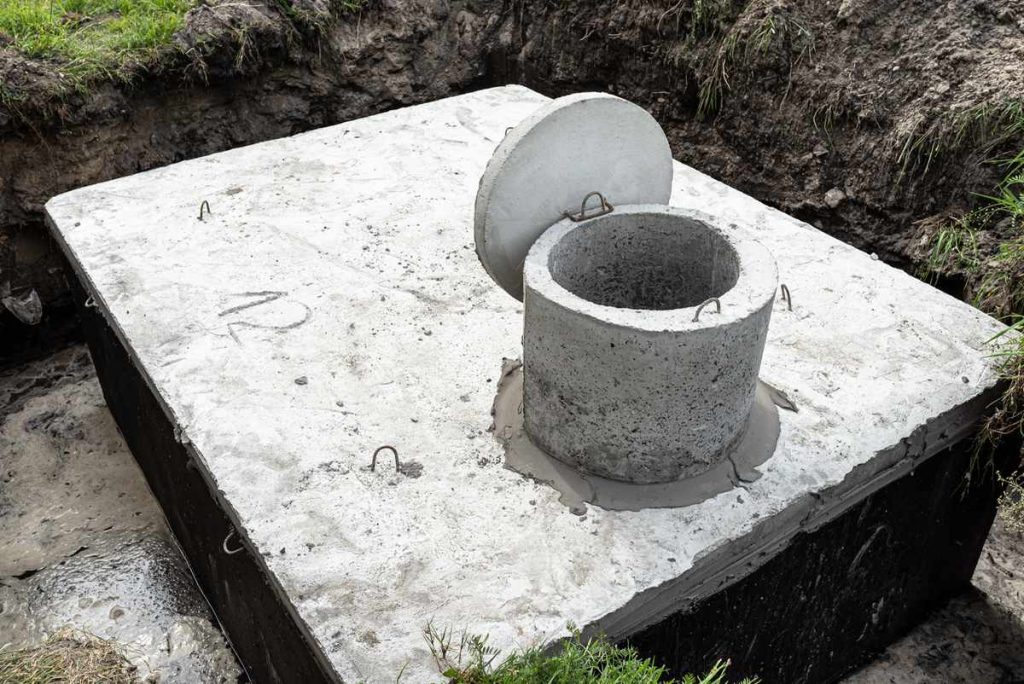
The septic tank is the first stop for wastewater from your home. Here’s how it functions:
- Wastewater enters the tank and the solid waste settles to the bottom, forming sludge.
- Liquids flow through compartments where further settling occurs, separating fats, oils, and grease that float to the top as scum.
- Anaerobic bacteria in the tank begin to break down the solid waste, reducing its volume and complexity.
This process prepares the wastewater for the next treatment stage, ensuring only liquid effluent moves forward to the treatment units.
Treatment Units: The Technology Behind Additional Treatment Stages
Following the septic tank, treatment units introduce additional stages which may include:
- An aerobic treatment unit where air is pumped into the effluent to encourage the growth of bacteria that decompose the waste more thoroughly.
- Secondary clarifiers that allow for further settling of any remaining suspended particles.
- Advanced filtration methods like sand or peat filters, or constructed wetlands, which provide additional purification.
- Disinfection stages where effluent is treated with chlorine, UV light, or other methods to kill remaining pathogens.
These technology-driven stages enhance the treatment of wastewater significantly, making it much safer for the environment.
Drainfield: How it Disperses Treated Water into the Ground
The final component of an advanced treatment septic system is the drainfield. Here’s what happens in a drainfield:
- The almost-pure effluent is released from the treatment units into a series of underground pipes or trenches in the drainfield area.
- As the effluent trickles out, it is further filtered by the soil which acts as a natural buffer, removing harmful bacteria, viruses, and nutrients.
- The now-treated water safely recharges the groundwater, completing the treatment cycle.
Understanding these key components illustrates the intricate process of treating household wastewater and underscores the importance of advanced treatment systems in protecting public health and water quality.
The Difference Between Conventional and Advanced Septic Systems
When selecting a septic system for your home, it’s important to understand the key differences between conventional and advanced treatment septic systems. Both serve the crucial function of treating and disposing of household wastewater, but they differ significantly in technology, performance, and environmental impact.
Comparison of Technology and Performance
Conventional septic systems typically consist of a septic tank followed by a drainage field, where the effluent percolates through the soil, receiving further treatment by soil microbes. In contrast, advanced treatment septic systems employ additional treatment processes such as aerators, filters, and disinfection units. These added steps provide a higher level of wastewater treatment, effectively reducing pollutants and pathogens before discharge into the environment.
- Conventional Systems: Rely on gravity and natural soil filtration to treat effluent.
- Advanced Systems: Use mechanical components and additional treatment stages for improved effluent quality.
Environmental Ramifications of Each Choice
When it comes to environmental impact, the choice between conventional and advanced systems is significant. Conventional systems can be sufficient in areas with ideal soil conditions and low population density. However, they can be prone to leaching nutrients and contaminants into the groundwater if not properly maintained or if the soil conditions are not optimal.
On the other hand, advanced treatment septic systems are designed to mitigate these issues, offering better protection for the environment. The advanced treatment process significantly reduces the levels of nitrogen, phosphorus, and other pollutants, making these systems preferable in ecologically sensitive areas, such as near water bodies or in regions with high water tables.
- Conventional Systems: May contribute to groundwater contamination if not correctly managed or sited.
- Advanced Systems: Provide enhanced pollutant removal, safeguarding local ecosystems and water quality.