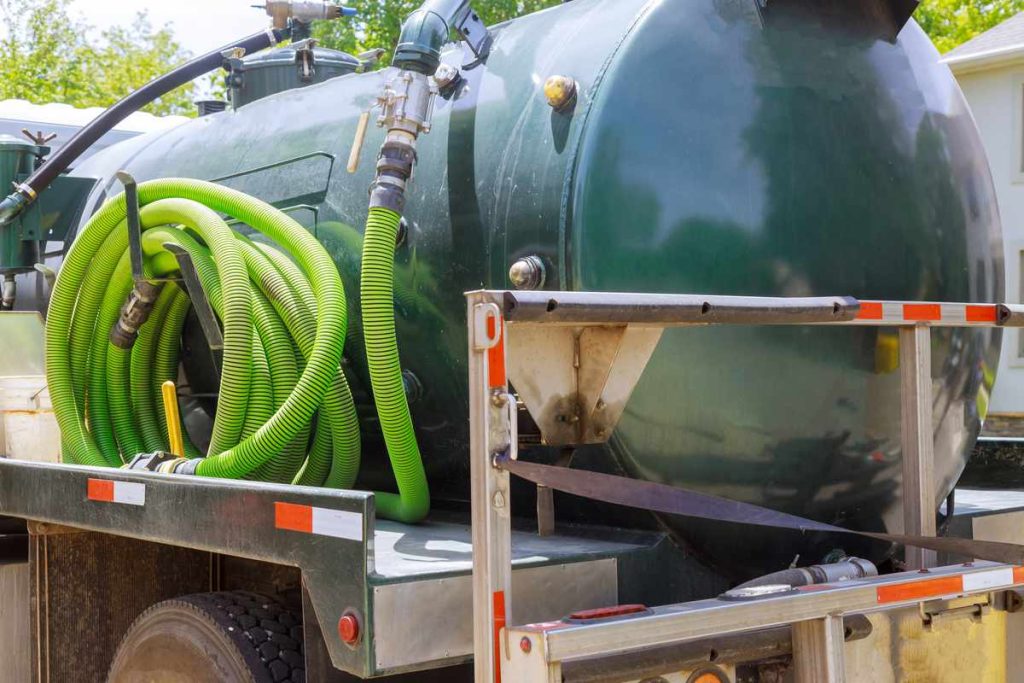
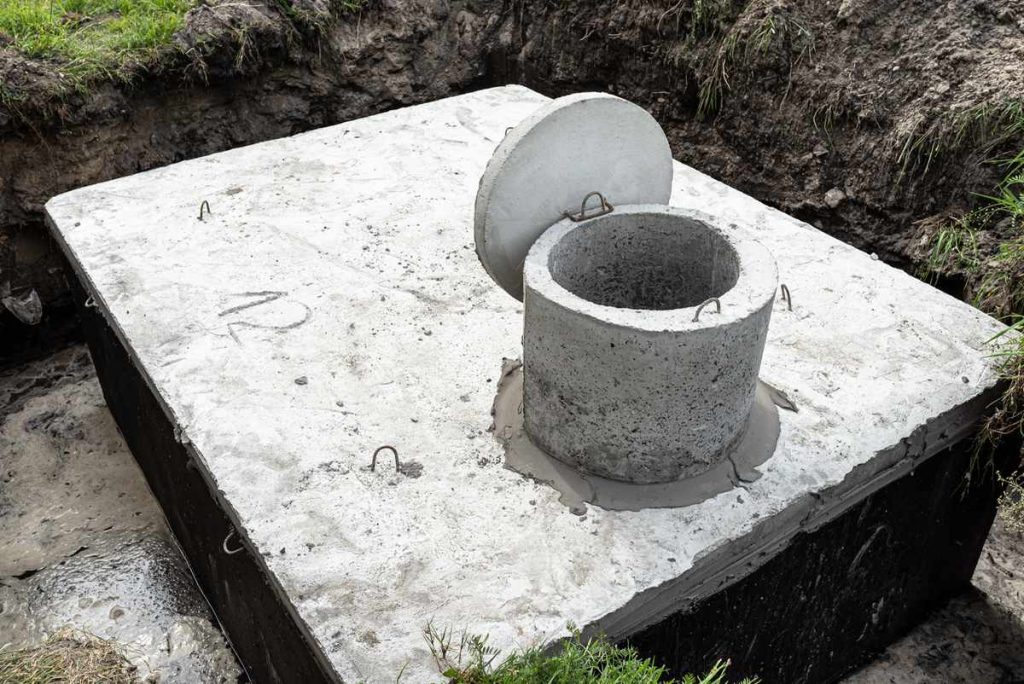
Steps of a Septic System Inspection
Understanding the septic system inspection process is essential for maintaining a healthy and functional waste management system. An effective inspection helps you prevent future problems and ensures that your septic system operates efficiently. Below are the critical steps that a professional inspector will undertake during a septic system inspection:
Locating and Uncovering the Septic Tank Access Lid
The first step in the inspection process involves locating the septic tank and uncovering its access lid. This is necessary to gain entry to the tank for a detailed inspection.
Checking for Leaks and Examining the Condition of the Tank and Its Components
Once the tank is accessed, the inspector will check for any signs of leaks. They will meticulously examine the condition of the tank as well as its components to ensure that everything is functioning as it should be.
Inspecting the Condition of Inlet and Outlet Tees or Baffles
The inlet and outlet tees, or baffles, are critical for the proper flow of wastewater into and out of the septic tank. The inspector will assess these components for any blockages, damage, or wear and tear.
Assessing Scum and Sludge Layers to Determine if Pumping is Necessary
Layers of scum and sludge naturally build up in a septic tank over time. The inspector will measure these layers to determine whether the tank needs to be pumped out.
Examining the Drain Field for Signs of System Failure
The final step in the inspection process is an evaluation of the drain field. The inspector looks for any signs that the system is failing, such as standing water or unusually lush vegetation, which could indicate a problem with the effluent dispersal.
Note: This overview provides a condensed version of the septic system inspection steps. A comprehensive inspection may include additional procedures and tests dependent on the specific system and local regulations.
Identifying Signs of Septic System Failure
Maintaining a septic system is crucial for the longevity and efficiency of your wastewater management. One of the key aspects of septic system maintenance is knowing how to identify signs that may indicate potential failures. Recognizing these signs early can save homeowners significant time and money by preventing extensive system damage.
Recognizing Early Warning Signs
Early warning signs often manifest in the most used areas of your home, like the kitchen or bathroom. Pay attention to the performance of your drains:
- Slow Draining Sinks: If water pools and drains unusually slowly, it might indicate that your septic system is starting to struggle.
- Toilets: Toilets that take longer to flush or refill may suggest that there is a backup in the system.
Common Indicators of Septic Failure Observed During Inspection
During a professional septic inspection, an inspector might find clear signs of a failing system:
- An unusually strong odor around the tank and drain field area.
- Standing water or overly saturated soil near the septic system, even without recent rains.
- Gurgling sounds in the plumbing system when using sinks or flushing toilets.
- Sewage backups in your home, which is a clear and immediate sign of septic system failure.
The Stake that Homeowners Have in Preventing System Failure
Homeowners play a critical role in the upkeep of their septic systems. Early detection and intervention can:
- Minimize the risk of costly repairs or full system replacements.
- Protect the health of household members by preventing exposure to untreated sewage.
- Prolong the lifespan of the entire septic system, safeguarding your property’s value.
Understanding and acting upon these early indicators can help maintain an efficient and functional septic system. Regular inspections and proper system use are essential in preventing septic system failure.
Common Issues Discovered During Septic Inspections
During a thorough septic inspection, professionals often uncover a variety of issues that can impact the functionality and efficiency of the system. Understanding these common problems is crucial for homeowners to maintain a healthy septic system. Here are some of the prevailing concerns identified during septic inspections:
- Sludge Overload: Excessive accumulation of solids in the septic tank can lead to backups and overflows. Regular pumping is imperative to avoid this problem.
- Infiltration of Tree Roots: Roots can penetrate the septic tank or pipes, causing obstruction and damage that may result in significant repair needs.
- Broken or Damaged Pipes: Cracked or deteriorating pipes can hinder wastewater flow, potentially leading to unsanitary conditions and system failure.
- Improper Drain Field Function: Saturated or improperly sized drain fields can’t adequately absorb and filter effluent, which may result in groundwater contamination.
- Non-biodegradable Items: Flushing items such as feminine hygiene products, wipes, and grease can clog the system and necessitate costly repairs.
- Chemical Imbalance: Household chemicals and antibiotics can disrupt the essential bacterial balance within the tank, impairing the breakdown of waste.
- Insufficient Tank Maintenance: Neglecting routine maintenance, including pumping and inspections, can reduce the lifespan of a septic system significantly.
Each of these issues can adversely affect your septic system’s performance. Regular inspections and timely maintenance are crucial to identify and address these concerns promptly, ensuring your septic system remains operational and safe for your home and the environment.
Wrapping Up the Septic System Inspection Journey
As we conclude our exploration of the septic system inspection process, it’s essential to reiterate the significance of understanding how this critical examination protects both your property and the environment. Regular inspections contribute mightily to the longevity of your septic system, ensuring the health and safety of your household as well as that of the surrounding ecosystem.
In our discussion, we’ve unpacked the complexities of septic tanks, soil considerations, and the intricate path of wastewater from your toilet to proper sewage disposal-all pivotal knowledge stakes for responsible homeownership and environmental stewardship.
Every inspection is an investment in the reliable operation of your septic system, averting potential malfunctions, and manufacturing peace of mind that comes from knowing your system is functioning as intended. Whether you’re tied to water policy regulations, engaged in a real estate transaction, or simply committed to maintaining your property, being proactive about septic inspections is non-negotiable.
Let’s not overlook the desirability of involving a qualified inspector-a key player in navigating the intricacies of your septic system and guiding you through the report’s findings and any necessary remediation steps.
Take the Next Step in Septic System Care
We strongly encourage you to consult your “Septic System Maintenance Checklist” and leverage our “Timeline of a Typical Septic Inspection” infographic to stay informed and prepared. Above all, make it your priority to schedule your next septic system inspection. In doing so, you embark on the best course of action to safeguard your septic system’s performance, your family’s health, and the environment we all share. Don’t wait-ensure your system’s viability and schedule your inspection today.
- Ensure system longevity and avoid costly emergencies.
- Protect your household’s health and your environmental footprint.
- Stay informed and proactive in septic system management.