Understanding Septic Systems and Unpleasant Odors
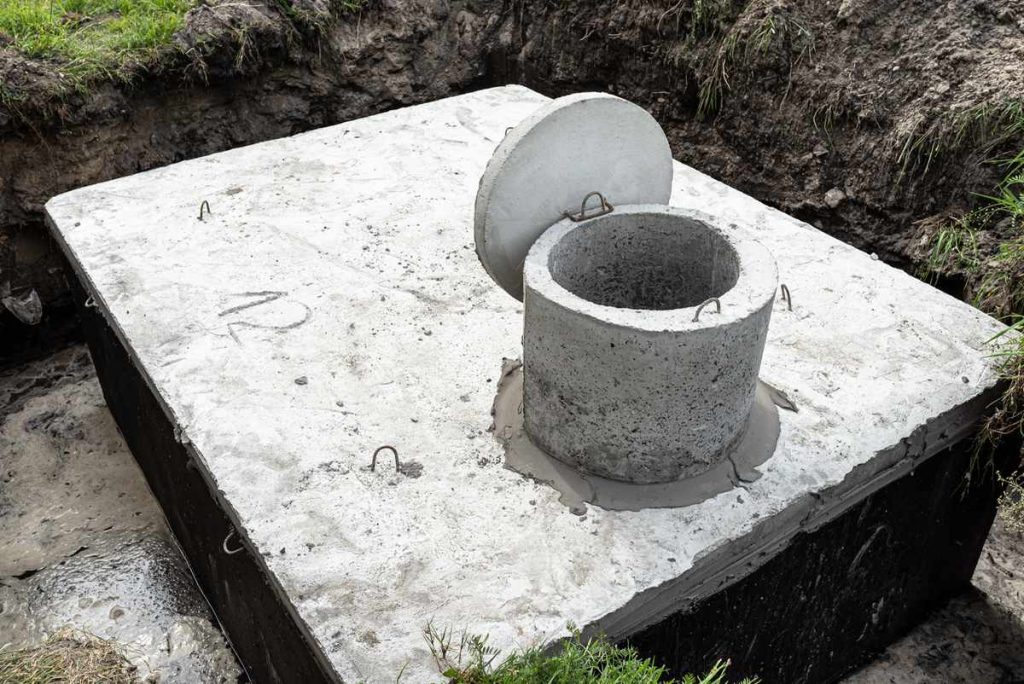
A septic system plays a pivotal role in managing wastewater for properties not connected to municipal sewage facilities. Residential and commercial sites depend on these underground installations for effective disposal and treatment of effluents. However, residents may occasionally encounter one of the most disconcerting issues: a foul smell emanating from drains and septic tanks.
Several factors could be at play when septic tanks release unpleasant odors, including trapped gases, bacterial imbalances, physical blockages, or a full septic tank. These smells are not just a nuisance; they potentially indicate a problem with the septic system’s functionality. Methane, hydrogen sulfide, and other harmful gases might escape into the environment when the system is compromised, triggering health concerns and environmental disruptions.
The Environmental Implications of a Failing Septic System
Failing septic systems do not merely affect the olfactory senses; they can wreak havoc on the environment. Leaking contaminants can pollute local waterways, affect plant and animal life, and contribute to algae blooms, known for depleting oxygen in aquatic ecosystems. What signals may suggest a septic system is under duress? Slow drainage, gurgling sounds, and water pooling in the drain field are telltale signs. Prompt identification and resolution of these issues preserve both environmental health and home living conditions.
Plumbing Ventilation Issues
Proper ventilation in plumbing systems stands as a critical factor for preventing drain smells. It allows for the escape of sewer gases and facilitates the entry of fresh air, which helps maintain the correct pressure balance within the pipes. Without this balance, traps could lose their water seal, resulting in odors permeating through the household.
One encounters several indicators when plumbing ventilation is inadequate. Gurgling sounds coming from drains, slow drainage, and the presence of an unpleasant odor are common symptoms. These issues suggest that ventilation is not performing optimally, undermining the system’s ability to prevent sewer gases from entering the home.
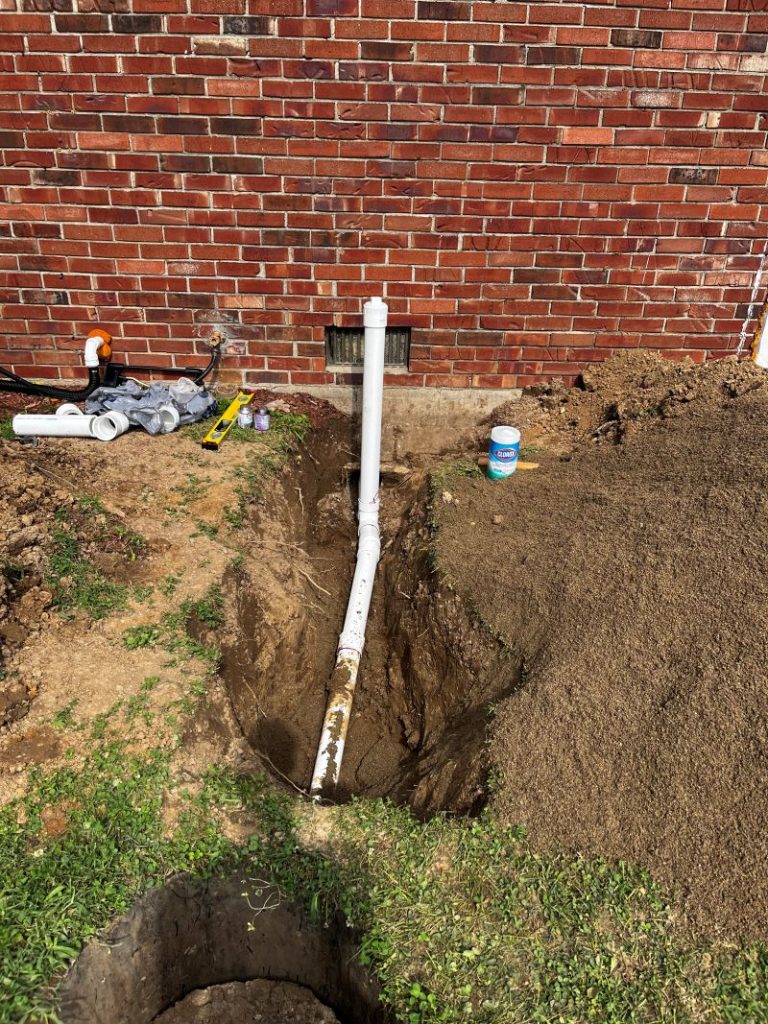
In the context of public water systems versus individual septic systems, the former often incorporates a communal venting system designed to handle waste and sewer gases. Conversely, individual septic systems necessitate their own venting mechanisms to ensure gases are safely directed away from the living areas.
- A vacuum in the pipes often signals that air is not flowing freely to replace the water and waste moving down the drain.
- Engaging with water fixtures may produce a distinct suction noise, underscoring ventilation issues.
Such issues elucidate not only the necessity of proper plumbing ventilation but also signify the repercussions of neglect, where persistent odors are mere harbingers of more complex problems ahead. These signals warrant immediate attention to avert potential damage to the septic system and maintain a pleasant and safe home environment.
Understanding P-Trap Malfunctions and their Role in Septic System Drain Odors
The P-trap serves as a critical component within the plumbing system, designed to prevent septic system odors from entering the living space. This U-shaped pipe beneath drains retains a small amount of water after each use, effectively sealing off the drain to block the backflow of gases. Malfunctions in this mechanism can result in the release of unpleasant smells from septic systems into homes.
Common P-Trap Malfunctions and Septic Smells
Several issues can disrupt the P-trap’s function, ultimately leading to septic odor emissions. Evaporation of the water seal in the P-trap, especially in infrequently used drains, removes the barrier to sewer gases, allowing them to seep into the environment. Physical damage or improper installation can cause leaks, further compromising the seal. Additionally, clogs in or around the P-trap due to sediment or waste accumulation obstruct water flow, potentially leading to ineffective gas sealing.
Preventive Measures for the Water Seal
Proactive maintenance can safeguard against P-trap malfunctions. Regular use of fixtures ensures the water seal remains intact, while periodic inspection for leaks and clogs can reveal issues before they result in odors. Pouring water into infrequently used drains maintains the necessary seal against sewer gases.
- Check P-traps for leaks periodically, addressing any signs of wear or damage promptly.
- Run water through infrequently used fixtures to replenish the water seal.
- Look for signs of slow drainage or gurgling sounds, which may indicate a developing clog.
Employing these practices, homeowners can effectively curtail the likelihood of septic system drain smells due to P-trap malfunctions.
Uncovering the Role of Biofilm in Septic System Odors
Biofilm, a slimy combination of bacteria, fungi, and other microorganisms, clings to the inner surfaces of drainage pipes. Once established, this layer acts as a continuous source of foul odors. These microorganisms feast on organic materials in wastewater, releasing pungent gases in the process. Due to its sticky nature, biofilm adheres to the pipes, difficult to remove without targeted action.
Environmental Conditions Conducive to Biofilm Proliferation
Several factors contribute to ideal conditions for biofilm growth. Moist environments with minimal water flow allow these organisms to thrive. Nutrient-rich wastewater serves as a perfect feeding ground, facilitating rapid expansion of biofilm colonies. Additionally, warmer temperatures can increase metabolic rates of the microorganisms, intensifying their growth and the ensuing smells.
- Stagnant water accelerates biofilm formation.
- The availability of nutrients in drains leads to denser biofilms.
- Warm temperatures can exacerbate the problem by speeding up bacterial metabolism.
Addressing biofilm build-up in septic system drains necessitates a multifaceted approach. Regular cleaning with the appropriate agents can remove biofilm layers effectively. Furthermore, ensuring consistent water flow discourages new biofilm from forming. Proactive measures will minimize septic odors and maintain a healthier drainage ecosystem.
Unveiling Septic Tank Maintenance Imperatives
Meticulous attention to septic tank upkeep ensures uninterrupted functionality. Engaging in regular maintenance tasks such as pumping, inspecting, and cleaning the septic tank promotes a seamless operation. Fluid discharge into the environment remains uncontaminated when effective microbial digestion within the tank is sustained through maintenance.
Essential Septic Tank Upkeep Tasks
- Inspection of the tank should occur annually to preempt failures.
- Pumping the septic tank every 3-5 years, depending on usage, is non-negotiable. Failure to do so leads to solids escaping into the drain field, causing a system breakdown.
- Cleaning effluent filters bi-annually prevents overflowing and blockages.
Overlooking septic tank maintenance triggers property damage, potentially with legal implications due to environmental contamination. Substantial repair costs arise from neglected systems, often surpassing the cost of periodic upkeep. Adjacent properties suffer when untreated waste permeates shared soil or groundwater. In densely populated areas, the risk escalates, underscoring communal responsibility in septic tank stewardship.
Engagement in Proactive Septic Preservation
Regular septic service mitigates the risk of drain smell permeation. Proactiveness in maintaining your septic system aligns with the broader initiative to ensure environmental health and public safety. Reflect on personal practices and their ripple effects on the community’s well-being.
Unraveling the Mystery of Blockages in Drains and Pipes
Drain and pipe blockages may not manifest themselves openly, yet their presence often results in foul odors that pervade the home. Drains carry away wastewater and, when functioning properly, odors as well. Once blocked, the dynamics change; wastewater lingers, fostering an environment ripe for bacteria that release unpleasant smells. A myriad of elements can clog pipes, including accumulated hair, grease, food particles, and non-flushable items like wipes and sanitary products.
Responsive Strategies to Prevent Drain and Pipe Blockages
To keep drains and pipes unobstructed, proactive strategies are recommended. Regularly rinse drains with hot water to break down soap, grease, and organic materials that cling to pipe interiors. Install hair catchers in shower drains and avoid disposing of grease and coffee grounds down the kitchen sink—these are known culprits for clogs. Employ enzymatic cleaners periodically; they biodegrade potential blockage substances without harming pipes.
- A thorough flush with boiling water weekly can help dissolve lingering substances that might otherwise accumulate into blockages.
- Being meticulous about what enters the septic system is essential; for example, flushing only human waste and toilet paper ensures minimal obstruction risks.
- Integrating annual professional inspections into your home maintenance routine can identify early signs of blockage before odors signal the issue.
Engaging with these practices will maintain clear drains and pipes, thus circumventing the undesirable consequence of septic system drain smell due to blockages.
Septic System Inspection and Troubleshooting
Septic system evaluations conducted by professionals confirm the integrity and functionality of the system. Trained technicians perform these assessments, ensuring accurate diagnosis of issues like drain smells. Through comprehensive inspections, underlying problems often surface, guiding targeted interventions.
Homeowners might attempt to pinpoint the origins of drain odors themselves. Simple troubleshooting steps can provide initial insights. For instance, checking for dry P-traps or inspecting vent pipes for blockages provides clues.
When Should You Get a Professional Inspection?
A septic system demands regular professional inspections, with frequency dictated by usage and local regulations. These examinations typically occur every one to three years. Sudden and persistent drain smells often necessitate immediate inspections, indicating potential system distress.
In the case of a property transaction, a thorough septic inspection is mandatory. This ensures all parties involved are aware of the system’s condition and prevents unforeseen complications post-purchase.
DIY Troubleshooting Steps
- Visually inspect all drains for signs of dryness or blockage.
- Ascertain that vent pipes on the roof are free of obstructions such as leaves or bird nests.
- Flush the system by running water in infrequently used drains to refill P-traps.
- Investigate the area around the septic tank for unusual odors or wet spots, indicative of leaks or overflows.
- Listen for gurgling sounds from plumbing fixtures, which might signal venting problems.
Observations from these steps can direct homeowners to the problem’s root. However, if issues persist, the expertise of a professional service becomes crucial for resolution.
Professional intervention is not just about solving immediate issues; it also extends the septic system’s life span by addressing small concerns before they evolve into major failures. Technicians use specialized equipment, such as cameras and sniffers, to detect leaks and blockages that are not apparent to the untrained eye.
Signs That Demand Immediate Professional Attention
Several indicators signal the need for an expert assessment:
- Backups in drains or toilets, a clear sign of septic system obstruction or failure.
- Unpleasant odors persisting even after thorough cleaning and basic troubleshooting.
- Unusually green or lush vegetation around the drain field, which may indicate an effluent leak.
- Spongy ground or standing water near the septic tank, particularly after heavy rainfall.
A swift response to these signs reduces environmental impact, curtails health risks, and mitigates property damage.
The Role of Bacteria in Septic Systems
Within septic tanks, bacteria are the driving force behind the decomposition of solids. These microscopic organisms metabolize organic matter, turning complex waste into simpler substances. The digestion process stabilizes the waste, preventing septic systems from becoming quickly overloaded with undecomposed material.
Maintaining a balanced bacteriological ecosystem in septic tanks ensures their functioning at optimal levels. A rich and diverse bacterial flora will effectively break down most of the solids entering the system. Conversely, a disruption in this balance can hinder the system’s efficiency, leading to quicker build-ups, potential blockages, and the malodorous emissions from gases that signal a dysfunctional septic system.
- Bacteria break down household waste products, transforming them into water, gases, and a layer of sludge that settles at the bottom.
- An imbalance in these microorganisms can result in the incomplete processing of effluent, causing odors and potential back-ups.
- Chemicals and antibacterial products can harm septic system bacteria, impacting the system’s ability to operate as intended.
- Regular pumping is necessary to remove the sludge layer and prevent overaccumulation that can upset the bacterial balance.
Ongoing research highlights the necessity of understanding bacterial communities to optimize septic system performance. Specialized additives have been developed to support and enhance the bacterial populations within tanks, though they should be used judiciously and in accordance with manufacturer recommendations. In this dynamic environment, bacteria play a crucial but often unnoticed role in ensuring that our household waste is safely processed and does not become a hazard to health or environment.
Guarding Your Septic System: Proactive Steps
Maintaining a septic system extends beyond periodic inspections and pumping. Daily practices wield a profound influence on its longevity and effectiveness. By integrating routine measures into your lifestyle, you nurture a durable and smoothly operating system.
Routine Practices for Septic System Longevity
- Regularly schedule inspections and pumping services every 3-5 years to preempt failures and clogging.
- Conserve water to reduce the load on your septic system, promoting effective waste breakdown and diminishing the risk of overloading the tank.
- Direct rainwater away from the drainfield to prevent flooding; a saturated drainfield struggles to absorb and neutralize liquid waste effectively.
- Avoid flushing non-biodegradable items; these can clog pipes and tanks, leading to backups and odors.
- Space out water-heavy activities through the week. A too-heavy flow of wastewater in a short time span can overwhelm the system, causing untreated sewage to spill into the drainfield.
Environmentally Friendly Habits for Sustainable Septic Care
Adopting practices that favor your septic system’s health also benefit the environment. Vigilance in what goes down the drains curtails the risk of groundwater contamination.
- Utilize septic-safe cleaners and detergents to maintain a healthy balance of bacteria within the tank, crucial for breaking down waste.
- Introduce high-efficiency fixtures to your plumbing system, like low-flow toilets and showerheads, to reduce water consumption and lower the strain on your septic system.
- Plant trees and shrubs at a safe distance from your septic tank and drainfield to prevent root intrusion, which can lead to costly damages and odors.
- Dispose of hazardous chemicals, such as paint thinners and pesticides, properly—never pour them down drains or toilets as they can slaughter beneficial bacteria and pollute water sources.
Professional Septic System Cleaning and Services
Ignoring the signs of a septic system in distress often leads to more serious problems. When do-it-yourself methods fall short, the expertise of professionals becomes necessary. If you detect persistent foul odors even after employing various troubleshooting techniques, contacting a specialist should be your next course of action. Professionals possess the tools and expertise to diagnose and rectify issues that cause septic system drain smells.
Selecting the appropriate service provider for your septic needs demands careful consideration. Research and seek recommendations to find a reputable company known for quality service. Ensure the company you choose has a proven track record and holds the necessary certifications and insurance. These credentials safeguard your interests and property during the servicing process.
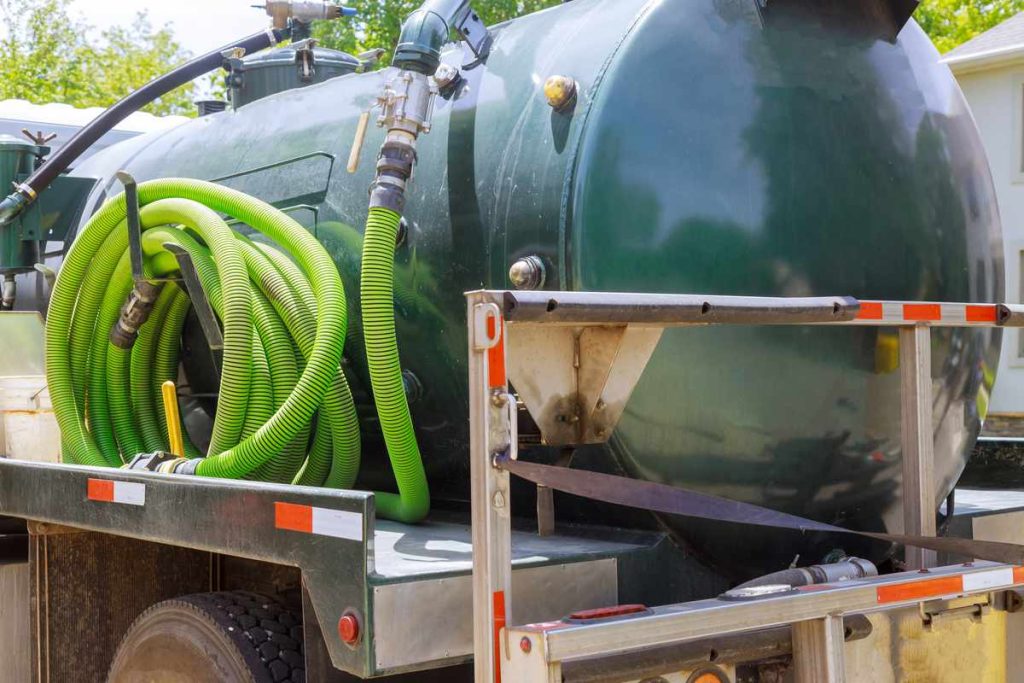
Professional services typically include a thorough examination of your septic system, identifying the root cause of odors. Technicians will inspect the tank, as well as the inlet and outlet pipes for any blockages or structural damage. They might also clean the filters, pump the septic tank, and repair or replace damaged components. A comprehensive cleaning by experts not only eliminates current issues but can also prevent future unpleasant smells and system malfunctions.
- A reputable service provider will perform a comprehensive evaluation of the system.
- Technicians will deal with blockages and clean or replace filters as necessary.
- Regular professional maintenance aids in preventing future septic system issues.
Remember, proactive maintenance outperforms reactive repairs. By scheduling regular cleaning and servicing, you can extend the life of your septic system and prevent the recurrence of unpleasant odors.
Resolve Septic System Odors for a Fresher Home Environment
Understanding the origins and solutions for septic system drain smells ensures a healthy living environment. Regular maintenance, timely inspections, and accurate troubleshooting steer clear of unpleasant odors and safeguard the home and its occupants from harmful sewer gases. Recognizing changes in your septic system’s behavior can prevent more significant issues. Addressing problems such as blockages, dry drains, and compromised tank health avoids costly repairs and contributes to the longevity of your septic system.
Protect Your Home, Health, and Environment
Efficient septic system operation resonates beyond odor elimination. It also involves maintaining the delicate balance within the septic ecosystem. Proper usage of septic-safe products and regular bacterial additives promote system health. A well-functioning system not only protects personal health but also prevents environmental contamination, preserving local water quality and ecosystem integrity.
Take the Next Step
A proactive approach towards septic system maintenance avoids the inconvenience of unexpected issues. To ensure your septic system remains functional and odor-free, periodic inspections by professionals are recommended.
- Reach out to a certified septic service provider to schedule an inspection.
- Commit to regular maintenance for seamless septic system performance.
For ongoing tips and the latest advancements in septic system care, subscribe to our blog. Stay informed on best practices that render a healthy, odor-free, and environmentally safe home.