Septic System Backup Causes in Indiana
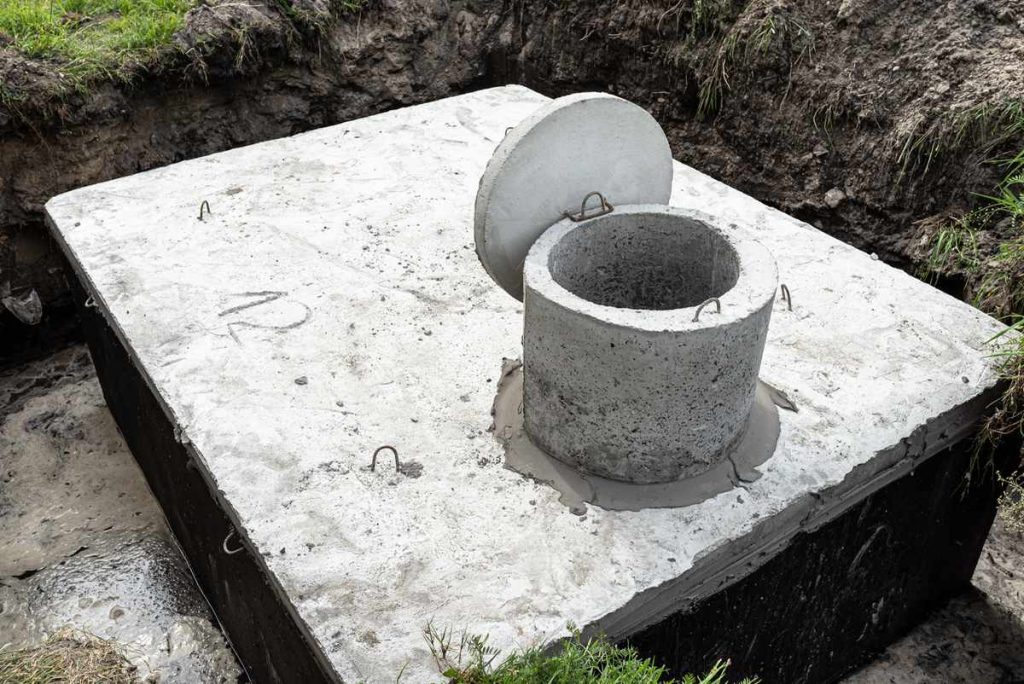
Discovering the roots of why septic systems back up begins with understanding their operation. A septic system quietly processes waste, separating solids in the tank, while liquids flow into the drainfield for natural purification. Integral to this are the sturdy tank, a network of pipes, and the soil-based drainfield—each component playing a pivotal role in managing household waste effectively. When one part encounters issues, the delicate balance of the system is disturbed, leading to potential backups. Exploring these causes ensures the smooth functioning of this essential household infrastructure.
Recognizing the Signs of a Septic System Backup
Discovering early warning signals can save homeowners from the mess and cost of a septic system backup. Vigilance helps in early identification and intervention. Should homeowners notice slow draining sinks and toilets, it may signal a disturbance in the septic system. While these initial symptoms can be subtle, addressing them promptly may prevent further complications.
In addition to drainage issues, the auditory signs can be quite telling. Gurgling sounds from the plumbing system often indicate an impending backup. These noises result from blockages where water struggles to flow normally through the system. This symptom often precedes more severe consequences and thus, merits immediate attention.
Unpleasant odors around the septic tank and drainfield provide another sensory indication of system distress. Should these areas emit strong, offensive smells, this points towards an inadequacy in the system’s capacity to treat and dispose of wastewater as designed.
Urgent Signs of Backup
- Experiencing water and sewage backing up into the home marks a critical stage of system failure. This condition requires an urgent response to prevent extensive damage and health hazards.
- Outside the home, the condition of the drainfield offers clues about system health. Wet spots or unevenly lush vegetation may indicate an overflow, which suggests the system is not adequately processing and dispersing effluent. Homeowners should act swiftly in these instances to mitigate potential environmental impact.
Detecting and responding to these signs not only preserves the septic system’s integrity but also ensures a hygienic living environment.
Understanding Septic System Backups
Homeowners may face challenges with septic system backups causing inconvenience and potential health risks. A myriad of factors can disrupt the delicate balance of a septic system. Acknowledging these can help in maintaining an effective waste management system.
Improper Maintenance
Maintenance routines, regularly scheduled inspections, and timely pumping are non-negotiable essentials for a functional septic system. Overlooking these steps will lead to significant setbacks, exemplified by backups and potential system failure.
Clogged Drain Pipes
Clogs are often preventable through proper use and periodic cleanouts. They emerge from the accumulation of insoluble substances and can disrupt the flow of wastewater within your system, necessitating immediate response to prevent backups.
Full Septic Tank
Regular pumping, influenced by factors such as tank size and household water usage, removes solids and prevents overflow. Frequencies vary, yet adherence avoids overburdening of the septic system.
Overuse of Water
An inundated system cannot effectively process waste, leading to backups. Households benefit from adopting conservation tactics to regulate flow into their septic system.
Items Flushed Down the Toilet
- Sanitary products
- Wet wipes
- Cotton swabs
Such items, non-degradable in nature, are culprits in septic system obstruction. Their disposal in toilets can cause significant damage, with adverse effects on the overall system.
Tree Root Intrusion
Roots, in their quest for moisture, can invade and disrupt septic pipelines, leading to breaks, blockages, and backups. Proactive measures, including regular inspections and thoughtful landscaping, are advised to avert such incidents.
Pipe Damage
Damaged pipes hinder wastewater transport, diminishing system efficiency and increasing the likelihood of backups. Prompt repair or replacement ensures uninterrupted system operation.
Inadequate Septic Design
A tailored design accommodates specific household needs and locality conditions, contributing to optimal septic system performance. Deficient design will entail frequent and potentially severe backups.
Heavy Rainfall or Floods
Saturated soil impedes effluent absorption, pressuring the system. Protective measures, rooted in advanced planning, can uphold system integrity during climatic adversities.
Harsh Chemicals
Household chemicals can devastate the microbial ecosystem within a septic tank necessary for breaking down waste. Natural and septic-safe alternatives are readily available and are advisable for use to mitigate this issue.
Non-biodegradable Materials
Disposal of non-biodegradable objects through a septic system will certainly induce clogs and backups. Avoidance is key, ensuring smooth operations and longevity of the system.
Soil Compaction or Disturbance
Activities leading to soil compaction over the drainfield obstruct effluent filtration, posing a risk to the septic system. Minimizing ground interference in these areas is a preventative step.
Vehicle Traffic Over Drainfield
Heavy vehicles exert pressure on the ground, potentially crushing pipes beneath. Prohibiting such traffic protects the subterranean structure of the septic system.
Failure of Mechanical Components
Component failure within the system, such as pumps and float switches, demands urgent attention. Timely identification and repair are vital to avoid cessation of the entire system.
High Water Table
Areas with a high water table present an ongoing risk of septic system malfunctions. Solutions include specialized designs to accommodate these environmental conditions.
Conducting Proper Maintenance to Avoid Backups
Regular maintenance is non-negotiable for sustaining a septic system’s efficiency and preventing backups. A harmony between routine checks and intentional usage practices creates a robust defense against potential malfunctions.
Regular Inspections and Pumping
Scheduling consistent inspections ensures that any emerging issues are detected before escalating into larger problems. Septic tanks require pumping every three to five years, depending on usage and tank size. Neglect of this practice leads to solid waste accumulation, compromising the tank’s function and increasing the likelihood of backups.
Proper Use of Toilets and Drains
Understanding what should not enter a septic system is as critical as the mechanical aspects of maintenance. Flushing anything besides human waste and toilet paper, such as feminine hygiene products, wipes, and cooking grease, will cause blockages and backups. Educate household members on the implications of misusing toilets and drains to maintain unimpeded flow within the system.
Water Conservation Strategies
Implementing water conservation measures reduces the strain on a septic system. Excessive water entering the system can disturb the balance, causing solids to migrate into the drain field and prompt backups. Simple adjustments like fixing leaks, spreading out laundry days, and using efficient fixtures can significantly minimize the risk of overburdening the system.
By integrating these practices, septic system longevity is supported and the potential for unpleasant backups greatly diminishes. Recognize the advantages of proactively caring for your wastewater system and reap the benefits of its uninterrupted function.
When to Call a Professional
Septic system issues often extend beyond the scope of routine maintenance and DIY fixes. For instance, a persistent odor despite regular pumping may signal a deeper issue. Similarly, toilets and drains repeatedly backing up can indicate significant blockages or damage within the septic system. If you observe areas of soggy soil or lush vegetation around the drain field, this too suggests problems that merit a professional evaluation.
When faced with such complexities, the expertise of a seasoned plumber or a septic specialist becomes indispensable. These professionals have the necessary tools and experience to diagnose and resolve intricate septic system problems efficiently. Moreover, routine inspections performed by experts can help diagnose potential issues before they escalate.
Identifying Complex Issues That Require a Plumber or Septic Specialist
Some septic system red flags are unmistakable signs to call in a pro. Water pooling in the yard, near the drain field, or septic tank area, can indicate a breach or overflow. An uncharacteristic surge in lawn health in the septic tank vicinity might be due to leakage that requires attention. Similarly, the failure of fixtures to drain despite clearing out superficial clogs requires a professional diagnosis.
Information on Selecting the Right Service Provider
Finding a trustworthy service provider entails researching qualified local septic system specialists with verifiable credentials. Look for providers who hold essential licenses and have a proven track record, as reflected in customer reviews and testimonials. Seek recommendations from your community or request referrals from your local health department. Request an estimate and comprehensive inspection to ensure transparency and to avoid unexpected costs.
- Analyze reviews and ratings of potential septic service providers.
- Confirm that the provider is licensed and insured for septic work.
- Discuss the scope of their inspection process to ensure a thorough evaluation.
- Inquire about their experience with your specific septic system type.
- Ensure clear communication and detailed estimates before service.
Septic system complexities necessitate professional intervention for the long-term functionality and safety of your household. Careful selection of a service provider guarantees that you receive not only immediate resolution of pressing issues but also advice on maintaining your system’s health. Thus, a timely call to a professional serves as an investment in the sustainability of your septic system.
Proactive Steps to Extend the Lifespan of Your Septic System
Understanding the measures that ensure the smooth functioning of your home’s septic system translates to longevity and efficiency. A well-maintained system serves not just the household but also contributes to the health of the environment. The following best practices are designed to reduce emergencies, cut down on costly repairs, and prolong the period between septic service interventions.
Regular Maintenance Schedule
Establishing a routine maintenance schedule with a credible septic service company is a decisive step. Regular inspections, typically recommended every three years, coupled with tank pumping every three to five years, depending on usage, helps prevent solids from escaping into the drain field and causing blockages. Replacing filters or parts as necessary maintains the system’s optimal performance.
Best Practices for Septic System Care
- Water Conservation: Adapt water-saving habits and install efficient fixtures to prevent the overloading of the septic system.
- Waste Disposal: Avoid disposing of solids through the toilet or sink that can clog the system. Composting food waste rather than using a garbage disposal significantly decreases the amount of solids entering the septic tank.
- Toilet Use: Flush only human waste and toilet paper. Even products labeled as “flushable” can cause blockages and damage the system over time.
- Drainage: Design landscape to direct excess water away from the septic system area, as additional moisture can hinder the treatment process.
Adherence to these recommendations not only sustains an effective system but also shields the surrounding ecosystem from pollutants that could leach from a malfunctioning septic system.
Products and Habits to Avoid
Minimize the use of heavy chemicals and antibacterial products that reach the septic system. Substances like oil, paint, solvents, and excessive amounts of bleach and antibiotics can destroy the beneficial bacteria critical to the waste decomposition process. Non-biodegradable materials such as plastics and cat litter must never be disposed of through the septic system because they do not decompose and will fill the tank prematurely.
By integrating these preventative care steps into daily routines, homeowners can significantly influence the performance and extend the life of their septic systems. A proactive approach simplifies maintenance, provides peace of mind, and entails a sudden septic backup is an event of the past. Regular engagement with professional services fortifies the septic system’s integrity, creating harmony between household demands and the system’s capabilities.
Unlocking the Secrets to a Healthy Septic System
Understanding the delicate balance of a septic system ensures your home remains free from unwanted backups. A conscious effort towards regular maintenance, such as pumping out the tank and inspecting it for signs of trouble, stands as your first defense against potential issues. Remember, the seamless functioning of your septic system relies on what you put down your drains and toilets. Substances that disrupt the bacterial balance within the tank, including harsh chemicals and non-biodegradable items, invite backups and related problems.
Proactive care, incorporating routine check-ups by professionals, drastically reduces the chances of septic system failure. Should challenges arise despite your best efforts, rest assured that skilled experts are available to resolve the issue. With their specialized knowledge of septic tanks, sewage treatment, and the nuances of drainage systems, plumbers offer invaluable service in restoring and maintaining the health of your system.
Reflect for a moment on your septic system. Are you giving it the attention it deserves? Could it benefit from more frequent checks or a change in household habits? Acknowledging the role played by every flush, every drain, you become a key player in safeguarding the longevity and reliability of your septic system.
Take the Next Step in Septic System Care
Has this information sparked questions about your own septic system? Feel free to reach out to a local septic service for personalized guidance and support. And for ongoing insights that empower you as a homeowner, subscribing to our blog ensures a steady flow of practical tips and updated information.
Don’t wait until the signs of a septic system backup arise. Act today, and invest in the peace of mind that comes with a well-maintained and properly functioning home waste management system.