Understanding Septic Systems: A Primer for Homeowners
Modern waste management at a residential scale integrates several systems that efficiently handle household effluent, with septic systems playing a pivotal role. A septic system operates on a relatively simple principle: waste flows from the home into a septic tank where solids settle, while the liquid effluent moves into a drain field and undergoes further purification by soil microorganisms before returning to the groundwater system. Mastery of this system’s functionality and maintenance ensures seamless, environmentally-sound waste management, safeguarding public health and water quality.
Unveiling the Root Causes of Septic System Failure
Grasping the causes of septic system failure requires a dive into the daily habits and infrastructural details that lead to malfunctions. Systems fail when overwhelmed by excessive waste and water, which compromises their ability to process effluent. When households connect too many appliances or frequently dispose of heavy solids, the balance within the septic tank is disrupted, resulting in failure.
Regular inspections and pumping are non-negotiable for septic system health. Yet, failures frequently stem from lax maintenance routines. Without periodic evaluations, undetected issues such as clogs or leaks can escalate, provoking system failure.
Soil conditions must align with the system’s design and installation. If not matching, the soil may fail to properly absorb and filter the wastewater, a key process for septic functionality. Consequently, an incompatible system within unsuitable soil leads to an inevitable breakdown.
External environmental factors also significantly sway a system’s efficacy. Factors such as excessive rainfall, flooding, or drought alter the soil’s moisture balance, impacting the soil’s capacity to process septic waste. These conditions can trigger a septic system’s failure by inhibiting its normal operation.
- Daily habits of water usage and waste disposal directly contribute to system longevity.
- Inspections and maintenance are not just recommended; they are essential for failure prevention.
- Installation must respect local soil characteristics for optimal performance.
- Environmental shifts like heavy rain or drought can instigate septic system failure.
Recognizing the Red Flags of Septic System Failure
Homeowners may observe a series of red flags indicating septic system distress. Prompt recognition and response to these signals may forestave more extensive damage.
Drainage Irregularities
One early indicator of a septic system issue is when sinks and toilets exhibit slow drainage. Unlike typical minor clogs, these symptoms persist or worsen over time despite attempts to clear the lines.
Auditory Clues from Your Plumbing
Unusual noises within the plumbing network, such as gurgling sounds, can be a tell-tale sign of septic system malfunction. These auditory clues often accompany other symptoms and should not be dismissed.
Unpleasant Odors
Foul odors in the vicinity of a septic tank or drain field should raise immediate concerns. This malodorous signal suggests that sewage is not being properly processed and contained.
Signs of Sewage Backup
A clear indication of system failure is the presence of sewage backup in the home. This event poses immediate health risks and requires professional intervention.
Changes in Ground Conditions
An unusually wet or soggy ground surface around the septic tank or drain field often hints at leaks or over-saturation of the soil, indicating a system struggling to disperse effluent.
Well Water Contamination
For those utilizing well water, testing that reveals high levels of nitrates or bacteria signifies a septic system breaching its confines and potentially polluting the water supply.
- Do your drains take longer than usual to clear?
- Have you noticed any changes in your lawn near the septic system?
- Could the quality of your well water be compromised?
These questions can guide homeowners in monitoring their septic systems more vigilantly, potentially catching failures early in their progression.
Regular Maintenance and Inspection of Septic Systems
To sustain the functionality of septic systems, experts recommend a comprehensive inspection at least once every three years. Homeowners should be aware that systems with mechanical components may require more frequent assessments, possibly annually. Regular inspections can catch issues before they escalate into full-blown failures.
Maintaining a septic system involves several basic tasks that homeowners can undertake. These include conserving water to reduce the amount of wastewater the system must treat and spacing out laundry loads. Additionally, it’s necessary to avoid flushing non-biodegradable items, which can clog the system.
While homeowners can perform certain maintenance tasks, professional assessments provide an in-depth evaluation of the septic system’s health. Professionals possess the specific knowledge to assess scum and sludge layers, inspect mechanical components, and evaluate drainfield conditions. Such thorough assessments can identify potential problems that may not be obvious to the untrained eye.
Maximizing Septic System Performance: Usage Strategies
Understanding a septic system’s capacity and limitations guarantees its longevity. Homeowners maintain system health by being vigilant about what enters it. Recognizable as non-biodegradable and potentially hazardous materials, plastic, grease, and household chemicals disrupt the balance within the septic tank, leading to malfunction or failure.
Watch What You Flush
- Flushable wipes, contrary to their name, create significant blockages.
- Feminine hygiene products and condoms are not septic-safe.
- Medications alter the biological ecosystem necessary for waste breakdon.
- Cigarette butts persist, failing to decompose in the septic environment.
Conservation: A Proactive Measure
Excessive water usage exerts undue pressure on septic systems, causing premature wear. Installation of water-efficient fixtures and conscientious usage of dishwashers and laundry machines contribute to lower water volumes entering the system, thereby reducing the risk of overloading. Staggering the use of water-intensive appliances throughout the week also alleviates strain.
Choosing Safe Cleaners
Household cleaners, especially those that are chemical-based, can devastate the microbial populations essential for waste decomposition. When selecting cleaning agents, opt for septic-safe, biodegradable products. These solutions ensure a healthy septic system while providing the cleaning efficacy expected.
Have you considered the impact of your household habits on your septic system’s health? Reflect on daily activities that can be adjusted to support system functionality. The integration of mindful practices into routine home maintenance affords both environmental benefits and financial savings over time.
Unveiling Septic System Components and Their Functions
A typical septic system comprises a septic tank, a drain field, and the crucial conduits that connect them. Grasping the mechanism of a septic system facilitates understanding of its role in wastewater management.
Septic Tank: The Initial Processing Chamber
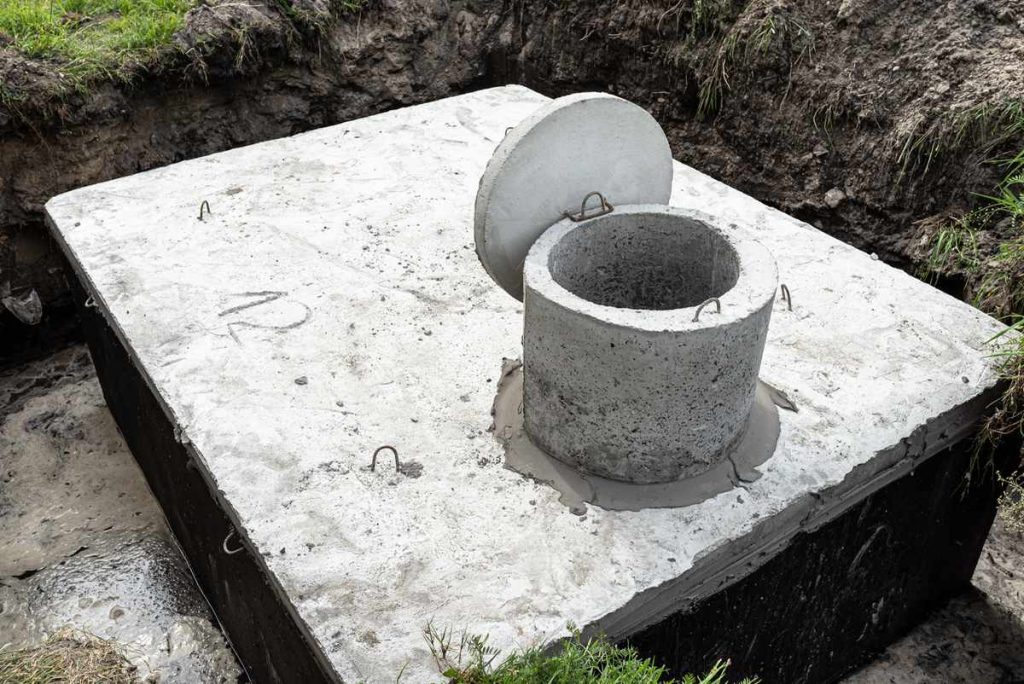
The septic tank functions as the primary treatment chamber, where the separation of solid waste from liquids takes place. Solids, known as sludge, settle at the bottom, while oils and grease, termed scum, float to the top. Effluent, the middle layer of relatively clear water, exists as the end product of the separation and flows out into the drain field.
Drain Field: The Purification Ground
At the drain field, further treatment of effluent occurs. The liquid slowly percolates through the layers of soil beneath the field. As it filters through, the soil acts as a natural scrubber, removing harmful bacteria, viruses, and nutrients. A properly functioning drain field disperses the effluent back into the groundwater, now significantly free of contaminants.
Piping: The Vital Network
Piping is the circulatory system of a septic system, ensuring the movement of wastewater from the home to the tank and from the tank to the drain field. Proper installation and maintenance of pipes prevent leaks and blockages, which are notorious for causing system failures.
Soil’s Role: The Ultimate Filter
Soil plays a pivotal part in wastewater treatment, both in structure and function. By holding the drain field in place, the soil ensures the even dispersal of effluent. More importantly, as wastewater percolates through the soil, it undergoes natural decomposition, a crucial step in mitigating potential environmental impact.
- The septic tank initiates the wastewater treatment by separating solids and liquids.
- Microorganisms in the tank decompose organic matter within the effluent.
- The drain field serves as a secondary treatment area, where further purification occurs.
- Soil microbes play an essential role in breaking down contaminants.
- Pipes connect and facilitate smooth transit of wastewater through the system.
By understanding how each component plays a specific role, one can appreciate the complexity and efficiency of a septic system’s operations. Ensuring each part is functioning correctly allows for a well-maintained and effective septic system, protecting both health and the environment.
Troubleshooting Common Problems
Identifying Issues Based on Symptoms
Understanding the indicators of septic system trouble assists homeowners in taking prompt action. Slow drains may suggest clogging or issues within the septic tank. Unpleasant odors often emerge when the septic tank is overfilled or when there’s a blockage in the vent pipes. If patches of unusually healthy grass appear on the drain field, this can be a sign of leaking or over saturating, as excessive nutrients are reaching the soil. Standing water above the septic tank or drain field indicates potential problems with the system that need immediate attention.
Solutions for Common Issues That Homeowners Can Manage
Homeowners might rectify some septic system issues without professional involvement. For slow drains or flushes, the first step could include clearing any immediate blockages in pipes. Introducing bacterial additives designed for septic systems can help in restoring the balance of bacteria within the tank, which is essential for breaking down waste. Homeowners should also ensure to divert all excess water away from the septic system, as excess water can cause strain and potential failure.
Periodical septic tank pumping as per recommended schedules is a proactive measure. This process helps prevent sludge buildup, which can impair the system’s operation and lead to failure. If the problem persists after taking these steps, it may be more complex and could require a professional’s diagnosis and solution.
When to Call a Professional
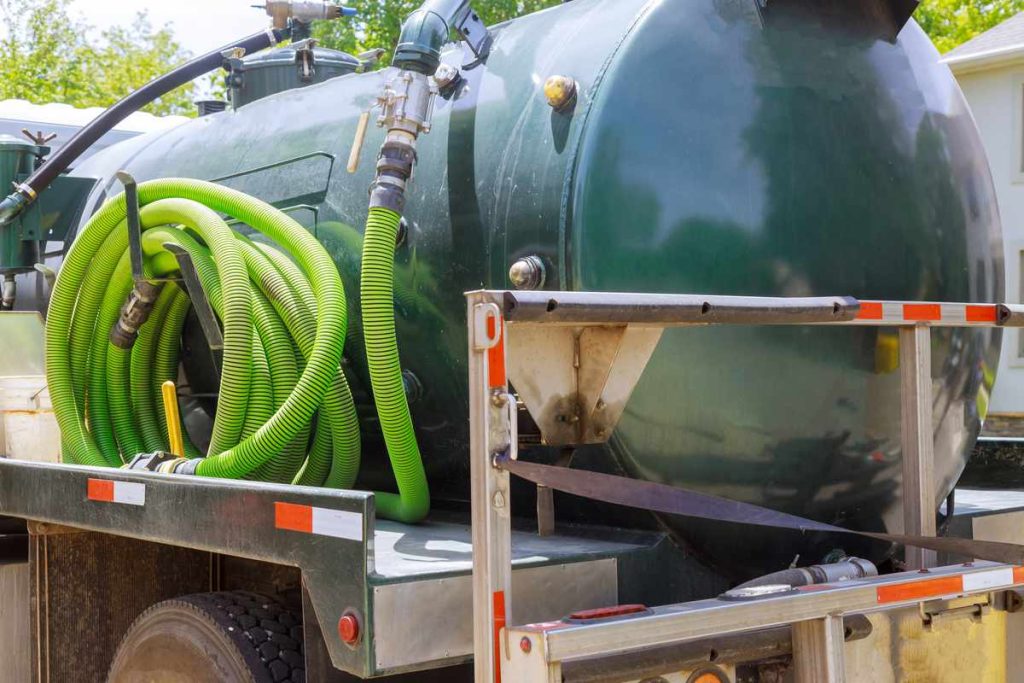
Alarm signals should not be ignored. Should the system exhibit frequent backups, persistent odors after taking corrective actions, or if wastewater is surfacing, professional service is required. Professionals possess specialized equipment for pump-outs, repairing damage, and ensuring that the system operates correctly. For significant issues like broken pipes, or when the septic system stops accepting water, professional assessment is non-negotiable for proper repair and to mitigate potential environmental and health risks. Remember, regular septic system servicing is an investment in the longevity and functionality of the entire septic system.
Repair vs. Replacement Options for Septic Systems
When a septic system fails, discerning between repair or replacement becomes a critical decision. Assessing the severity of the failure will guide homeowners to an appropriate solution. Septic system professionals conduct thorough evaluations to determine the extent of damage and the feasibility of repairs. Factors such as the age of the system, frequency of previous issues, and current system compliance with regulations influence their recommendations.
Assessing the Severity of System Failure
Small issues such as clogs or broken pipes often only require repairs. These localized problems might not impact the entire septic system. However, signs of systemic failure including backflow, pervasive odors, or wet spots in the drain field area suggest more extensive damage. Entire septic system replacements are generally necessary when critical components like the drain field or tank suffer irreparable damages.
Decision-Making Factors for Repair or Replacement
The decision to repair or replace a septic system hinges on several variables. Age is a considerable factor; systems older than 25 years may be nearing the end of their functional life. Additionally, repairs can be a temporary fix for an aging system, while replacement can prevent recurrent issues. Compliance with modern standards also plays a role. Upgrading to a new system ensures adherence to the latest environmental regulations and advancements in septic system technology.
Overview of Potential Costs and Long-term Benefits
Repairs might present a lower initial cost compared to full system replacement. However, frequent repairs can accumulate, rendering replacement the more cost-effective option over time. Evaluating long-term benefits, such as increased property value and reduced likelihood of future failures, can justify the upfront investment in a new system. Moreover, newer systems, designed for efficiency, can reduce maintenance costs and safeguard against environmental contamination.
- A damaged pipe might come with a moderate repair cost, whereas a malfunctioning drain field can be an expensive fix and can lead to a recommendation for replacement.
- Financial incentives or rebates may be available for septic system upgrades, which can help offset replacement costs.
- Investing in a new system can provide peace of mind, knowing that the latest standards in wastewater treatment are being met.
The Role of Septic Professionals and Services
Septic professionals provide an array of services to ensure the longevity and proper functioning of septic systems. These service providers conduct detailed inspections, perform routine maintenance, and offer repair or replacement solutions. Relying on specialized training and equipment, septic professionals adeptly navigate the complexities of septic system care.
Services Offered by Septic Professionals
The offerings of septic professionals extend beyond mere inspections. They address issues ranging from routine tank pumping to the repair of system components. Additionally, septic experts provide consultations on system upgrades and are instrumental in resolving drainage field problems. Equipped for emergencies, these professionals are prepared to manage unexpected back-ups or leaks, safeguarding homes against potential damage.
The Process of Repairing or Replacing a System
When septic system functionality is compromised, immediate professional intervention is critical. Initially, professionals assess the scope of the problem, diagnosing the root cause. Solutions may involve repairing or replacing parts such as baffles, filters, or piping. In severe cases, entire components like the tank or drainage field may require replacement. This complex process demands precision and compliance with regulatory standards, ensuring system reliability and longevity.
Understanding the Inspection Report and Recommended Actions
A comprehensive inspection report is a roadmap for septic system health. Detailed findings outline the condition of the tank, pipes, and drain field. Recommendations are based on these findings, ranging from simple adjustments to extensive repairs. Undertaking the suggested actions not only restores system functionality but also prevents future complications. Septic owners should review the report thoroughly and engage in dialogue with their service provider to fully grasp the required measures.
Guarding Your Septic System: Proactive Measures for Longevity
Maintaining a septic system demands a proactive approach to protect its functioning and extend its lifespan. Understanding best practices in septic system care, along with making certain lifestyle changes, can markedly reduce the risks of system failure.
Septic System Care Best Practices
Regular inspections by qualified professionals can prevent minor issues from escalating into system failures. These inspections typically include tank pumping every three to five years. Tanks need pumping when the bottom layer of sludge is within twelve inches of the outlet tee; this timing varies based on use and tank size.
Efficient water use preserves your septic system. Fixing household leaks and opting for high-efficiency fixtures reduces the water load on the system, thereby minimizing the risk of failure. Equally, spreading out water-intensive tasks throughout the week prevents overwhelming the system on any given day.
Chemical additives advertised as helpful can, in fact, disrupt the microbial balance necessary for a septic system to properly process waste. Keeping such products out of your system not only maintains necessary bacterial colonies but also averts potential damage to the system components.
- Use biodegradable and septic-safe products
- Avoid flushing non-degradable items—such as wet wipes, feminine hygiene products, and paper towels
- Limit use of garbage disposals to reduce solid waste accumulation in the tank
Lifestyle Adaptations for System Maintenance
Certain lifestyle changes can further safeguard the system. Landscaping, for example, has a crucial role. Planting deep-rooted trees or shrubs too close to your drainfield can obstruct or damage the pipes. Selecting the right plants can prevent root intrusions and facilitate evapotranspiration, which assists in the treatment process.
The type and amount of household waste entering the septic system also has a direct effect on its performance. Being selective about what goes down the drains preserves the biological processes inside the septic tank. Moreover, avoiding the use of heavy machinery or vehicles over the drainfield prevents soil compaction and ensures the unimpeded percolation of treated water.
Environmental Contributions of Septic System Management
Properly maintained septic systems contribute to the health of local ecosystems by preventing untreated waste from contaminating groundwater and surface water. Homeowners’ commitment to regular maintenance and vigilant use ensures not just the longevity of their own septic system but also guards community water sources against pollution.
Through these prevention strategies, homeowners can not only avoid costly failures but also enact environmental stewardship by ensuring their septic systems perform at their peak. When a septic system functions well, it efficiently treats wastewater, thus playing a vital role in protecting community health and the surrounding environment.
Examining the Economic Impact of Septic System Failure
When a septic system fails, homeowners feel the financial pressures almost immediately. The costs associated with failing septic systems span not only the direct expenses for repair or replacement but also may include environmental cleanup, increased health care costs due to exposure to contaminants, and potential loss in property value.
Detailed Cost Breakdown: Repair vs. Replacement
The choice between repairing and replacing a septic system rests on several factors, including the age and condition of the system, as well as the nature and extent of the failure. For minor issues, repairs can range from a few hundred to a few thousand dollars. If critical components like the drain field or septic tank have been compromised, the expenses rise significantly. Replacing a septic system can cost anywhere from $3,000 to over $25,000, depending on system type, soil conditions, and local regulations.
Homeowners considering these costs must also account for ancillary expenses such as permits, soil testing, and landscaping restoration post-repair or installation. These can add substantially to the total financial investment required to address a septic system failure.
Investing in Long-term Financial Benefits through Proper Maintenance
While the outlay for regular maintenance may seem inconvenient, these costs are marginal compared to those of mitigating a total system failure. Regular pumping, avoiding excessive water use, and keeping inappropriate materials out of the septic system can prevent failures. Budgeting for regular inspections by licensed professionals can detect potential problems early, thereby reducing the likelihood of catastrophic failure and the steep costs that follow.
Final Insights on Septic System Preservation
Understanding your septic system is more than a simple responsibility; mastery of this knowledge leads directly to safeguarding human health while preserving the water and wastewater infrastructure that we heavily rely on. By engaging in proper waste management, you contribute to the wellbeing of your household and the surrounding soil and environment. Acknowledgment of the potential for a failing septic system prompts proactive measures, ensuring a robust and functioning waste disposal system.
Maintaining your septic tank and drain field isn’t merely about avoiding inconvenience; rather, such actions actively prevent the type of system failure that can lead to significant costs and health risks. Frequent inspection and adherence to the best practices highlighted throughout this guide create a fortress-like defense against the common enemies of septic system integrity.
Guarding Your Septic System’s Future
Inspection and consultation with septic system professionals are not mere formalities but are actions that can significantly extend the life and efficiency of your system. These experts can offer invaluable input tailored to your unique situation, transforming your approach from reactive to preventative. Furthermore, they play a pivotal role in spotting early warning signs and mitigating issues before they escalate.
Ready to take the next step? Proactive homeowners who inspect their septic system regularly forge the first link in the chain of environmental protection. Initiate contact with a certified septic professional today and explore first-hand how expert attention can steer you clear from the worries of system failure. Your active participation ensures the ongoing health and functionality of one of the most critical systems in your home.
You need more information? You seek guidance or wish to schedule an inspection? Your journey towards a well-maintained septic system starts here. Follow the links provided to access additional resources or to reach out to a service contact page.