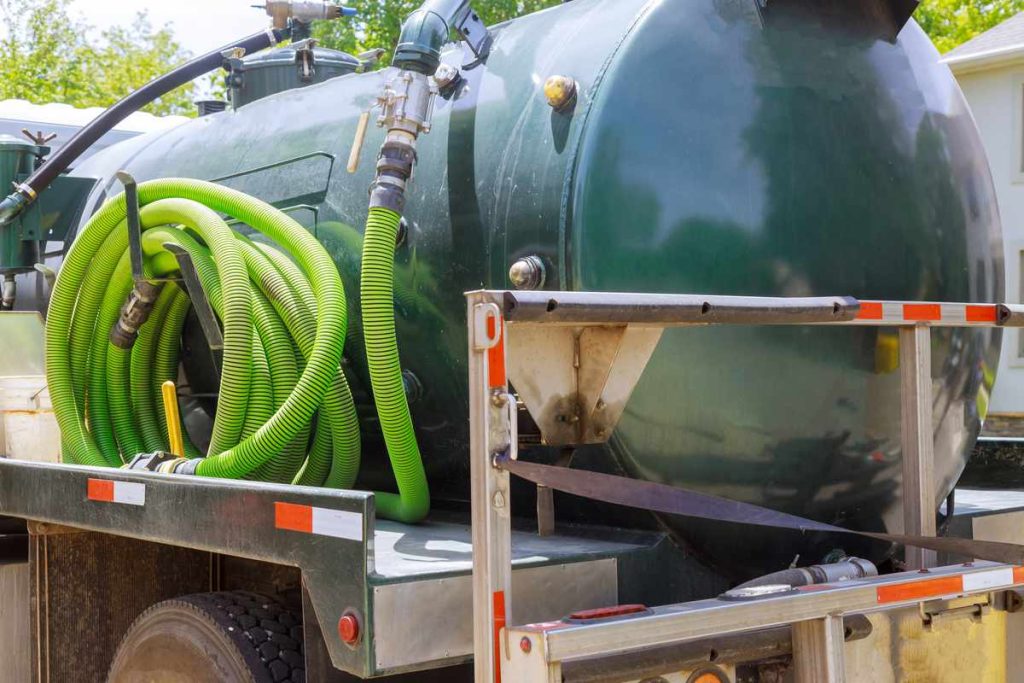
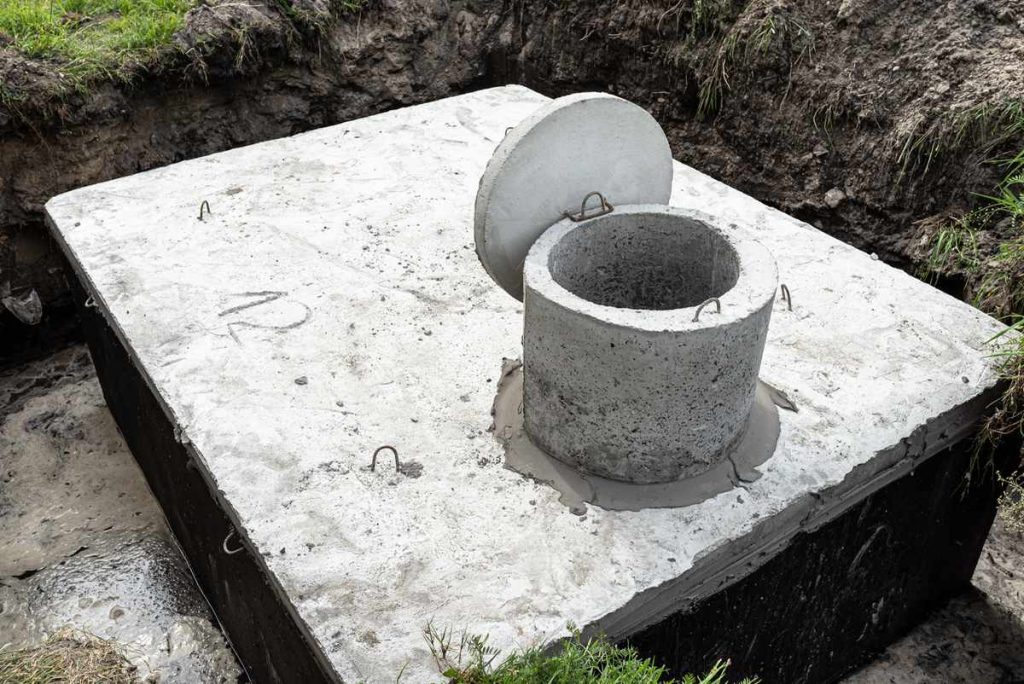
Septic systems serve a critical function in on-site wastewater treatment, particularly in areas devoid of centralized sewer systems. Designed to process and purify household waste, these underground installations encompass tanks and drainage fields, facilitating the seamless journey of wastewater as it transitions back into the environment. However, when foul odors emanate from drains, immediate attention not only mitigates the assault on olfactory senses but also guards against potential health hazards and environmental contamination. Understanding the root causes of these unpleasant smells can safeguard residents and the eco-system from the adverse effects of malfunctioning septic systems.
Unraveling the Mystery behind Septic System Odors
Diverse factors contribute to the unwelcome phenomenon of septic system odors. These smells can invade your household without warning, leading to discomfort and concerns about underlying issues with your septic system.
Origins of Gaseous Emanations
A common offender, a buildup of gases such as methane, hydrogen sulfide, and carbon dioxide, often escapes from a system that is either malfunctioning or at full capacity. Under such circumstances, these gases, typically contained and neutralized within a properly functioning septic system, instead infiltrate the home environment.
The Impact of Neglect
An often-overlooked aspect of home maintenance, the septic system requires regular inspections and upkeep to function correctly. Negligence in this area frequently results in odoriferous outcomes, as compromised systems fail to sufficiently process and eliminate waste.
Plumbing Complications
Clogs or other disruptions in household plumbing can create a feedback effect. When the expected flow of wastewater is obstructed, the result may be a backup of sewage and associated odorous gases that travel through the drains and into the home.
Bacterial Contributions to Scent Issues
Specific bacterial colonies are natural and essential components of the septic system’s ecosystem; nevertheless, some can produce malodorous byproducts. In particular, conditions that promote the growth of certain anaerobic bacteria can lead to an increase in foul-smelling compounds.
Miscalculated Septic System Dimensions
A frequently overlooked consideration is the sizing of the septic system. A system that is too small for a household’s needs will be overburdened, leading to rapid accumulation of waste and enhanced odor production. Conversely, a system that is too large may lack the necessary bacterial activity to break down waste effectively, also resulting in odor issues.
Recognizing the Impending Breakdown of Your Septic System
Unpleasant odors emanating from septic systems often serve as forewarning of looming malfunctions. These odors, resembling rotten eggs or sewage, indicate the presence of hazardous gases such as hydrogen sulfide, which not only pose olfactory discomfort but also highlight the imminent risk of system failure. Acknowledging these scents as red flags allows for timely intervention and possibly averts significant repair costs or environmental damage.
Odors as an Early Warning Sign
When noxious smells pervade the area close to septic tanks or drain fields, this suggests an overburdened or obstructed system. These odors, particularly perceptible during heavy usage or after rainstorms, signal that the septic system cannot adequately process and vent waste gases.
Slow Draining Fixtures and Backup of Sewage
Toilets that drain sluggishly, or showers and sinks that take an unusually long time to empty are symptomatic of blockages or a septic system reaching its functional limits. Waste backup into household fixtures is a more severe symptom, indicating that wastewater is not being properly processed and is instead encroaching upon domestic water circuits. Such events demand immediate inspection and intervention to prevent more severe contamination and plumbing damage.
Overflow and Dampness around the Drain Field
Excess moisture or pooling water in the vicinity of the drain field might signify a saturated or failing drain field. This saturation may result from a deluge of water that exceeds the system’s capacity or from system clogging, preventing proper filtration and hence percolation of effluent into the surrounding soil. Vegetation around the area may exhibit abnormal growth patterns or coloration due to the unintended fertilization effect of effluent overflow, while the ground surface may become soggy or even display standing water.
Awareness of these disturbances prompts the need for a comprehensive evaluation of the septic system. Timely professional assessments lead to the identification of issues before they escalate into extensive malfunctions or substantial environmental setbacks.
Maintenance Strategies to Keep Your Septic System Odor-Free
Eliminating septic system drain smells starts with diligent system upkeep. Adequate maintenance preserves system functionality and mitigates malodors. Reflect on the frequency of your septic inspections and consider if your disposal habits contribute to system strain. Regular attention to these details can drastically reduce odor emanations.
Optimize Your Septic System through Regular Inspection and Pumping
Adhering to a regular inspection and pumping timetable is non-negotiable for odor prevention. Professionals typically recommend inspections every three to five years, whereas pumping may be necessary every two to four years. Timely inspections can reveal potential issues before they lead to odors or system failure.
Appropriate Waste Disposal: A Non-Negotiable Rule
What goes down the drain can significantly impact septic system health. Refrain from disposing of fats, oils, grease, and non-biodegradable items through the drain. These materials can clog your system and inhibit decomposition, leading to odor issues. By being mindful of waste disposal, you help maintain clear and unobstructed septic lines.
Employ Biological Additives for Efficient Breakdown of Waste
Utilizing biological additives can enhance the breakdown of organic waste within your septic system. These additives introduce beneficial bacteria that naturally digest solids, negating potential smell sources. Use these additives in accordance with manufacturer guidelines for optimal results.
Proactive Wastewater Production Reduction
Lowering wastewater generation eases the load on your septic system. Consider installing high-efficiency fixtures and practice water conservation techniques. Mindful laundering — spreading out wash loads and using appropriate water levels — also cuts down on the volume entering the septic system, thus preventing overload and subsequent odors.
Proper Ventilation of Septic Systems
A balanced septic system relies on adequate ventilation to prevent the accumulation of offensive odors. Vent pipes play a critical role by releasing gases that are naturally produced during the waste breakdown process. By directing these gases away from living areas, the system maintains a pressure equilibrium that allows waste to flow freely.
How Ventilation Prevents Odors
Ventilation works by facilitating the escape of harmful gases, such as methane and hydrogen sulfide, into the atmosphere. This creates a continuous flow of air within the septic system, staunching the buildup of pressure and preventing sewer gases from seeping through drains into homes.
Tips for Ensuring Adequate Ventilation
- Regularly inspecting vent pipes for clogs caused by leaves, nests, or other debris ensures unobstructed airflow.
- Confirming that the vents are at an appropriate height above ground level prevents odor detectable at the ground surface.
- Using a charcoal filter on vent pipes can help to mitigate the odor while keeping ventilation effective.
Common Issues with Venting that can Lead to Smells
Several venting issues can lead to the presence of objectionable odors. A blockage in vent pipes may lead to inadequate pressure balance, causing gases to enter indoor spaces. Vent pipes that have been installed too low or are undersized can also be less effective at dispelling gases. Changes in weather, particularly cold temperatures, may cause condensation and frost to seal off vent pipes, trapping gases within the septic system.
Dispelling Myths Around Septic Tank Aromas
Many misconceptions cloud public understanding of septic tank odors. Recognizing the truth behind these fallacies is a step towards effective management of septic systems. Septic tank odors should not be dismissed as commonplace; pungent smells often signal an underlying issue.
Myth: Persistent Odors Are Normal
While occasional, fleeting whiffs from a septic tank can be expected, persistent or strong odors indicate a problem. Consistent smells could signify system blockages, venting issues, or the need for septic tank servicing.
Myth: All Septic Odors Signal System Failure
On the flip side, not every odor suggests catastrophic system failure. Some smells can emanate from dried out sink traps or infrequent use of drains. However, ongoing unpleasant smells can be precursors to more serious issues.
Myth: Masking Odors Is an Adequate Solution
Utilizing deodorizers or fresheners does not address the root causes of septic tank odors. While these might provide temporary relief, remediation efforts must focus on the septic system itself to resolve the issues leading to the production of odors.
Myth: Increased Tank Pumping Eliminates Odors
Frequent pumping alone often fails to solve odor problems. If the source of the odor is not excessive sludge but, instead, issues such as leaks or clogs, then simply increasing the frequency of pumping won’t rectify the underlying problem.
Understanding Normal Versus Problematic Odors
Identifying normal function from a septic system problem is key. Normal operations might produce occasional odors that are quickly vented away and do not linger. Unpleasant odors that persist, especially after troubleshooting basic issues, may indicate problems requiring professional attention.
Take the First Step Towards a Fresh, Odor-Free Home
Experiencing a septic system drain smell is more than an inconvenience; it indicates that further attention may be required to prevent larger issues. Scheduling an inspection promptly can save homeowners from costly repairs and health hazards.
Professional septic services possess the expertise to accurately diagnose and resolve the range of problems leading to septic odors. Skilled technicians are ready to provide the necessary care for your system, ensuring a safe and comfortable environment for your home.
In the meantime, sharing your own experiences or concerns can often shed light on common issues and solutions. Comment below to join the conversation with fellow homeowners or to pose a question to septic system professionals. Understanding and addressing septic system drain smells is a collaborative effort – your input is valuable.