Unveiling the Mysteries of Septic System Backup in Your Basement
Have you ever taken a moment to ponder the journey water embarks upon after it swirls down your drains? From the unseen pipes to the septic system nestled underground, this intricate process remains a mystery to many. Yet, understanding how these components function together can avert the unpleasant reality of a backup in your basement.
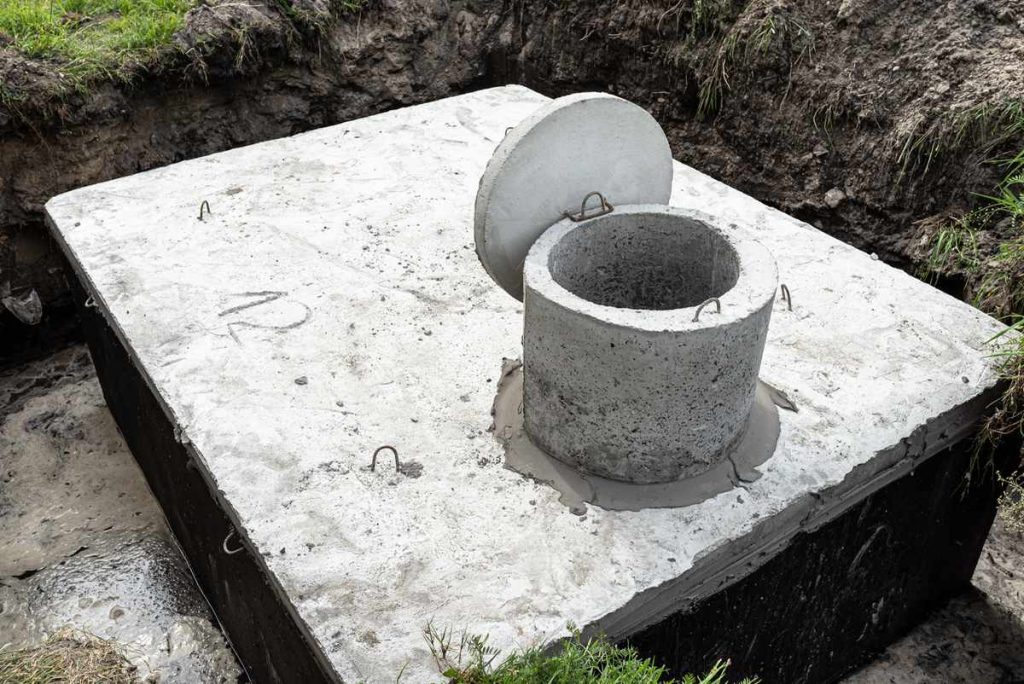
A septic system operates as a private wastewater treatment framework primarily employed in areas where centralized sewer systems are not accessible. It’s an underground marvel where the alchemy of natural processes meets human engineering. Here, wastewater journeys through plumbing, greets the septic tank with a splash, and then ventures into the drain field – a critical getaway before being absorbed into the earth. When the equilibrium of this system is disrupted, the repercussions can include wastewater making an unsolicited return visit to your basement. We’ll delve into the workings of a septic system, illuminate the pivotal roles each part plays, and explore how these elements coalesce to manage your household wastewater deftly.
Why Does Your Basement Suffer from Septic System Backups?
Diverse factors lead to septic system backups in basements. A primary cause is overloaded or saturated drain fields succumbing to heavy rain. Excess water limits the soil’s absorption capacity, forcing effluent to surface or back into the home. Likewise, clogs in the septic tank or connecting pipes impede effluent flow, resulting in backups. Heavy solids that don’t break down accumulate, creating blockages within the system.
Another culprit could be inadequate septic tank capacity relative to water usage. During periods of excessive water use, the system’s ability to process and separate waste is overwhelmed, pushing sewage towards the lowest point, your basement. Homeowners should also be wary of the influence of surface water which can compromise septic system efficiency, directing water loaded with sediments towards the tank and drain fields, thereby exacerbating backup risks.
- The area’s topography and excess runoff can significantly influence septic functionality.
- Regularly scheduled maintenance is often overlooked yet proves essential in preventing backups.
- An understanding of how surface water interacts with your septic system can aid in mitigating potential issues.
Servicing septic systems is not where homeowners typically direct their attention until problems arise. Yet, comprehending the causal factors contributes to proactive maintenance and system longevity. Encountering water where it doesn’t belong, especially in a basement, signals that immediate attention to the septic system is necessary.
Spotting the Red Flags: Is Your Septic System Failing?
Homeowners may encounter a series of warning signs indicative of a septic system faltering in its function. Recognize these signals promptly enables timely intervention, potentially circumventing extensive and costly damages.
Unpleasant odors originating from your drains or the areas surrounding your septic tank are more than a mere nuisance; they signify a breach in your system that is releasing gases best contained. These can include hydrogen sulfide, which is known for its rotten egg smell, presenting an immediate flag to homeowners. Moreover, when your toilets and sinks exhibit reluctance in draining, or water threatens to rise instead of disappearing, your septic system is communicating its inability to function efficiently.
A conspicuous sign of trouble is when you discover water pooling or the earth transforming into mud near your septic system or basement. These symptoms suggest that waste water is improperly exiting your septic system, over-saturating the ground. Additionally, if your lawn begins to alter in texture or color especially over the drain field, inspect for underlying problems with your septic system. Unexpected changes in lawn health, such as lush patches of grass or spongy ground, could be due to an excessive discharge of nutrients from a failing septic tank.
- Reflect on any foul odors you’ve detected in your home. Have they originated near drains or outside where your septic tank is buried?
- Assess how quickly water drains after usage. Are your sinks or tubs evacuating water more sluggishly than usual?
- Observe your lawn and the area around your septic system. Have there been any notable alterations in grass color or unexpected water accumulation?
Being vigilant about these signals can guide homeowners in recognizing when to seek professional assessment. Timely action will mitigate further impairment to both the septic system and the home environment.
Guard Your Basement: Mastering Septic System Upkeep
Proactive engagement with septic system maintenance stands as your first defense against basement backups. Understanding each step can transform potential disasters into manageable, routine care.
Regular Septic Tank Inspection and Pumping
Securing professional inspections and pumping every three to five years sustains system performance and wards off unsanitary backups. Technicians assess tank solids and can prevent overaccumulation, which, if unchecked, leads to blockages and overflow.
Proper Disposal of Non-Biodegradable Items to Avoid Clogs
What goes down the drain has a lasting impact. Flush responsibly; non-biodegradable items like feminine hygiene products, wipes, or cooking grease must go in the trash, not the toilet. Their presence in the septic system guarantees blockages and ensuing backflows.
Conservation of Water to Reduce the Burden on the System
Efficient water use can substantially decrease the stress on your septic system. Install high-efficiency fixtures, repair leaks promptly, and spread out water usage to prevent the system from becoming overwhelmed, helping mitigate the risk of backup.
Role of Septic Tank Additives in Maintenance
Septic tank additives promise to aid in breaking down waste, but their necessity is debatable, as tank naturally maintains its bacterial balance. If considering additives, consult a professional to select an appropriate product that will support, not disrupt, your system’s ecosystem.
The integration of these preventive measures within your household routines will not only preserve your septic system’s function but also secure your home from the unpleasant disruptions of a backup.
Facing a Septic System Backup? Take These Steps
Discovering a septic system backup in your basement can be overwhelming. The first action should focus on safeguarding your household from potential health risks. Equip yourself with personal protective gear such as gloves and boots before handling anything. Next, ventilate the area by opening windows and doors to reduce odor and gas buildup.
To halt the wastewater’s advance, cease all water use in the home. Avoid flushing toilets, taking showers, or running the dishwasher and washing machine. This reduces pressure on the septic system, preventing additional backflow.
Once you’ve controlled the situation, begin cleaning and sanitizing. Remove any standing water using a pump or wet-dry vacuum. Contaminated items should be treated with caution. Non-salvageable materials must be discarded, whereas affected surfaces require thorough disinfection with appropriate cleaning agents to eliminate harmful pathogens.
As you proceed, document the damage meticulously. Photos and detailed notes will be indispensable for insurance claims and professional service consultations.
Immediate Actions:
- Wear protective gear before any cleanup.
- Improve airflow in the affected areas to dissipate odors and gases.
- Halt all water usage to prevent additional backflow.
Stop Further Wastewater Backflow:
Keep in mind that addressing the cause of the backup is critical. For this reason, identify and halt the source of the backup. If necessary, call a septic service provider immediately for emergency assistance.
Cleaning and Sanitizing:
- Remove standing water using appropriate methods.
- Dispose of or sanitize contaminated materials.
- Disinfect surfaces rigorously after removal of waste.
- Take detailed records of the damage.
Engage with a reputable septic system specialist for a comprehensive solution. They will identify the root of the issue, suggest repairs or replacement, and ensure your septic system functions properly going forward. In the meantime, your immediate response can significantly mitigate the damage and health risks associated with a septic system backup in your basement.
Unveiling the Consequences: Septic Backups Impacting Your Home and Investment
When a septic system regurgitates its contents into a basement, the aftermath can disrupt both the immediate environment and the integrity of a property. An understanding of the repercussions allows homeowners to better assess potential risks and take proactive measures.
Structural Damage Implications for Basements
Exposure to septic waste can undermine the structural fortitude of basements. Foundations, traditionally made of porous materials such as concrete, absorb these wastes, leading to erosion or weakening. Flooring systems, particularly wooden frames, are not resistant to the corrosive nature of sewage either, risking disintegration or failure over time.
Long-Term Property Value Concern Snowballs
Properties tainted by sewage backups face depreciated values. Prospective buyers often retreat from homes with a history of septic issues, wary of potential hidden damages and future breakdowns. Real estate values are contingent not only on the aesthetics of a property but also on the soundness of its waste management system.
Moisture Issues Leading to Mold and Mildew
- Basements are prime real estate for mold and mildew growth due to their typical conditions: dark, damp, and poorly ventilated.
- Moisture ensuing from a septic backup provides a nurturing environment for these fungi, posing health hazards and adding to the unfavorability of the space.
- Fungus infestations can penetrate deep into walls and require extensive remediation to eradicate.
Subsequent humidity issues can permeate beyond the basement, affecting the whole house with musty odors and compromised air quality.
Emergency Response to Septic System Overflow
A septic system overflow demands immediate action to protect your basement and surroundings. Once you detect an overflow, swift measures can minimize the extent of damage and contamination.
Steps for Immediate Response to Prevent Basement Damage
- Shut off any running water to halt the flow to the septic system, thereby reducing additional waste water that could exacerbate the overflow.
- Identify and remove valuable items from the affected area to prevent irreversible damage.
- Open windows to ventilate the space, reducing odor and potential buildup of dangerous gases.
- Use sump pumps or wet vacuums to remove standing water, keeping in mind to properly sanitize the equipment afterwards.
- Refrain from using household drains and toilets until the overflow issue is resolved to prevent further backup.
How to Minimize Environmental Contamination
- Contain the overflow within a localized area using sandbags or soil, if applicable, to prevent wastewater from spreading.
- Avoid direct contact with sewage to prevent health risks and use personal protective equipment if you must be in contact with the contaminated area.
- Do not attempt to use bleach or disinfectants in large quantities as this can disrupt the microbial balance of your septic system and the environment.
Direct contact with contaminated soil should be avoided. Keep pets and family away from the area until professionals have properly managed the situation.
Contacting Emergency Services for Septic System Backup
Emergency services are a critical call when facing a septic system overflow, especially if sewage has breached your living spaces.
- Contact local emergency services or a professional septic company immediately to address the backup and begin remediation.
- Provide precise information about the overflow extent, possible causes, and specific areas affected to prepare the service team.
- Follow the guidance of authorities or septic specialists regarding evacuation or any necessary immediate action.
Supporting documentation, such as septic system service records, can be valuable for professionals assessing your system’s emergency.