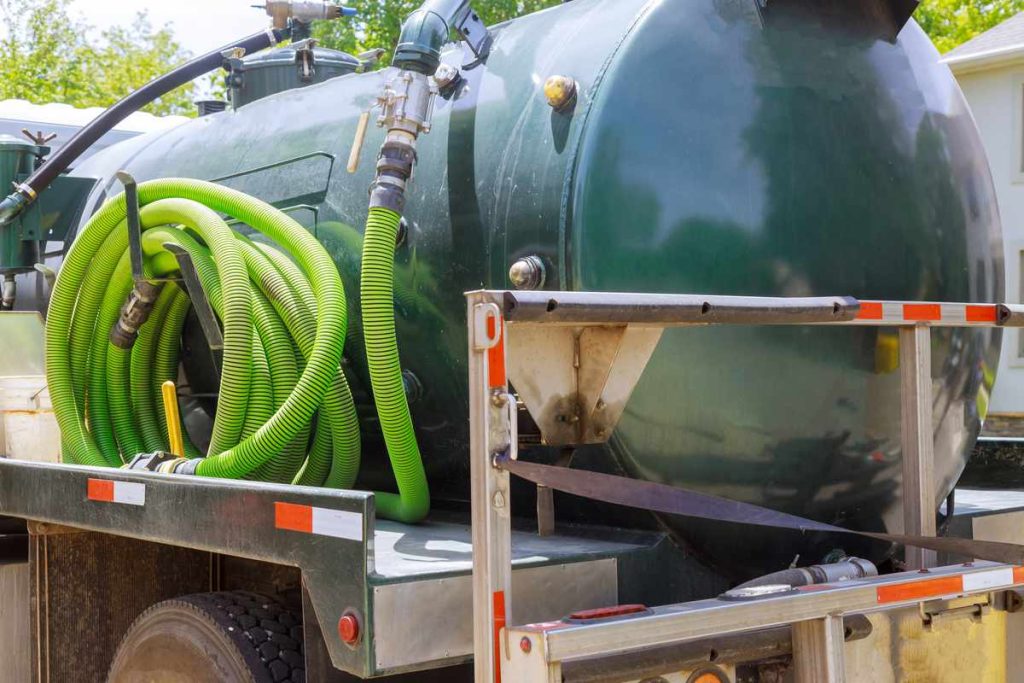
Imagine a solution nestled beneath the ground, a silent ally in maintaining the health of your environment—a septic system, a self-contained wastewater treatment structure commonly utilized in areas lacking centralized sewer systems. These underground marvels perform a critical function: they take the wastewater from your home, treat it, and release it back into the groundwater. In residential neighborhoods, a well-designed and properly installed septic system manages household waste effectively, safeguarding both human health and the ecosystem. Through a combination of natural processes and engineered components, these systems filter contaminants, ensuring that only treated water returns to the earth’s water cycle.
Delving into the Mechanics of Septic Systems
At their core, septic systems function as private sewage treatment facilities for homes and buildings outside the reach of municipal infrastructure. They perform a critical role in processing and treating wastewater on-site. Installing a functional septic system on such properties mitigates the absence of a centralized sewage system.
Properties that stand remote from centralized community sewage disposal rely on septic systems to manage wastewater efficiently. The absence of connection to municipal sewer lines necessitates an alternative, a septic system ensures that wastewater is treated and dispersed within the confines of the property.
Key Components of a Septic System
Unseen but integral, the septic system discreetly manages waste behind the scenes. Each component plays a critical role in ensuring the smooth operation of the whole system. Reflect on how this underground network efficiently mimics large-scale sewage treatment facilities but on a more personal scale.
Tank: The Starting Point for Waste Treatment
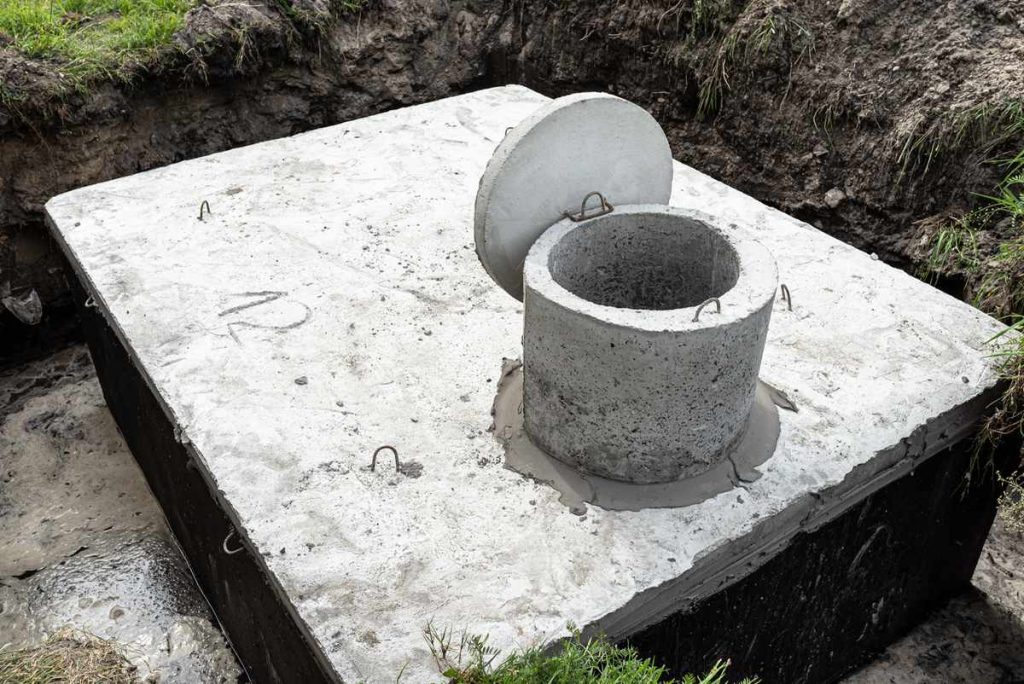
The septic tank serves as the first stop for household waste. Here, solids settle at the bottom while lighter materials, such as fats and oils, float to the surface, forming scum. As waste water enters the tank, an equal amount of water is displaced to the next component, while the contents of the tank begin their breakdown process through natural bacterial action. The design and installation of a tank impact its ability to perform these tasks effectively.
Drainfield: Nature’s Filtration System
Following the initial treatment in the tank, the partially treated water, now known as effluent, flows to the drainfield. Also referred to as a leach field or absorption field, this component performs the final treatment. As effluent percolates through soil layers, further purification occurs, removing harmful bacteria and nutrients. Consequently, the now-purified water is safely returned to the groundwater system. The size and type of drainfield will vary based upon soil characteristics and daily wastewater flow.
Vent System: The Unsung Hero of Septic Systems
Consider the vent system the lungs of your septic setup. A properly designed and installed vent system is pivotal for preventing pressure buildup and facilitating the escape of gases from the septic tank. Without proper ventilation, the system could become a hazard or simply cease to function. Equally, vents aid in the prevention of odors, releasing them above the roofline of your home where they can dissipate harmlessly.
- Did you know that the design of your septic tank influences its maintenance needs and frequency?
- Ponder the fact that soil conditions directly affect the specifications of your drainfield.
- Are you aware that inadequate ventilation might lead to a noisy and smelly septic system?
Exploring Diverse Septic System Designs
Various septic system designs cater to specific site conditions and wastewater treatment needs. The right choice depends on soil type, property size, and local regulations. Awareness of the different systems ensures informed decisions for effective wastewater management.
Conventional Systems
The bedrock of septic solutions, conventional systems operate on a simple design. Gravity pulls wastewater from homes into a septic tank. Here, solid waste settles and microbial action begins the decomposition process. Clarified liquids then proceed to the soil absorption field, releasing into the soil for further natural treatment.
Chamber Systems
Chamber systems come to the fore when space or soil constraints render traditional leach fields impractical. These systems replace gravel in the drain field with a series of chambers. Air flow within the chambers supports aerobic digestion, enhancing the treatment of effluent before it percolates through the soil.
Drip Distribution Systems
For properties with shallow soil, drip distribution serves as a savvy alternative. This design utilizes a pump to deliver effluent in measured doses through tubing with emitters. In precise, controlled drips, wastewater treats the soil, an ideal strategy for limited or sensitive environments.
Mound Systems
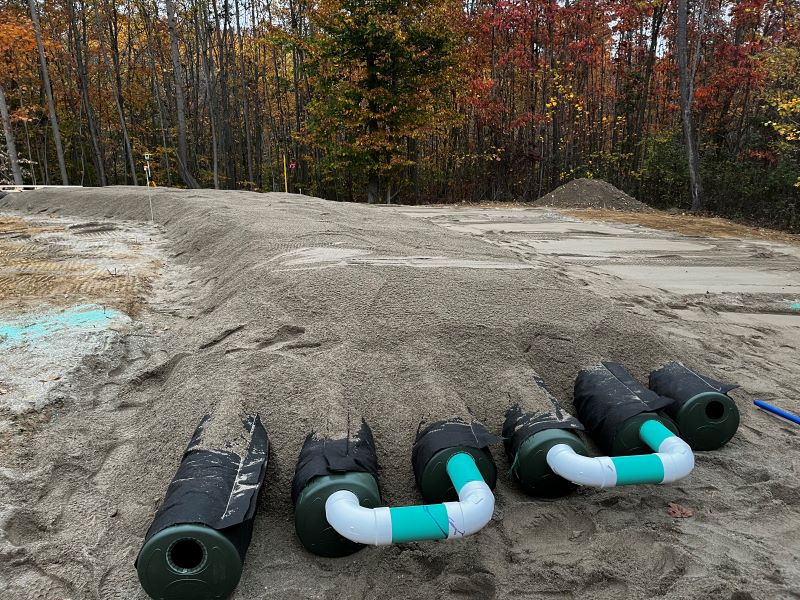
On sites with high water tables or bedrock, mound systems rise to the occasion. These elevated sand mounds incorporate a septic tank and pump system. Effluent is pumped to the mound, filtered through layers of sand and gravel, and treated as it integrates with the environment.
- Each septic system design incorporates variations on the central theme of separating and treating waste.
- Local environmental conditions and regulatory codes dictate the appropriate system choices.
- Professional site evaluation is imperative to ensure the chosen septic system aligns with the unique characteristics of the property.
Consider a moment – which system best aligns with the specifics of your terrain? Deliberation on this topic will lead to optimal functionality and longevity of a septic system.
Unlocking the Secrets of Soil for Optimal Septic System Performance
A soil scientist plays an indispensable role in the design of a septic system by analyzing the ground in which the system will be installed. Through their expertise, the soil’s ability to effectively treat and disperse wastewater is determined, shaping the system’s design to align with the unique characteristics of the installation site.
Several critical considerations influence the suitability of a site for a septic system. Soil type stands at the forefront, with its texture, structure, and consistency affecting how water moves through it. Whether sand, loam, or clay, each soil type wields influence over the system’s design, dictating the rate of absorption necessary to filter wastewater before it reenters the environment. The second crucial aspect is the absorption rate, a measure of the soil’s capacity to percolate water, which is typically assessed by a perc test. Lastly, environmental sensitivity encompasses the proximity of the septic system to water bodies and the potential risk of contamination, steering regulations and preventive measures in the system’s configuration.
- Soil Type: Defines percolation and influences system size and layout.
- Absorption Rate: Determines the leach field dimensions required for adequate filtration.
- Environmental Sensitivity: Guides placement to mitigate potential ecological impact.
Through the diligent assessment of these factors, coupled with a soil scientist’s recommendations, a septic system can be tailored to the spatial requirements and environmental constraints of the site, ensuring efficient operation and longevity.
Tailoring Septic Tank Capacity to Household Needs
Choosing the appropriate septic tank capacity requires an assessment of the household’s daily water usage and anticipated output. Tanks are typically sized according to the number of bedrooms in a home, with a 1,000-gallon tank adequately serving a three-bedroom house. However, the size may need to be increased depending on the number of occupants and the presence of high-output fixtures such as whirlpool bathtubs or frequent use of a garbage disposal.
Comparing Septic Tank Materials: Concrete, Fiberglass, and Plastic
The material of your septic tank impacts its longevity, maintenance needs, and installation process. Concrete tanks, favored for their durability, can last several decades but might be susceptible to cracking and require heavy machinery for installation. Fiberglass tanks offer a lighter alternative, which simplifies transportation and installation while resisting corrosion. Plastic tanks are also lightweight and resistant to rust and corrosion; however, they must be properly anchored to prevent buoyancy in high water table areas. Each material adheres to different environmental conditions and installation requirements, therefore consulting with a septic system professional is recommended to determine the best option for your specific needs.
- Determining Capacity: A professional evaluation of your household size and wastewater generation ensures the selection of a septic tank with adequate capacity.
- Material Considerations: Local regulations, soil characteristics, and groundwater levels influence the appropriate material choice for your septic tank.
- Professional Guidance: Experienced installers can provide valuable insights into the advantages and limitations of each tank material, tailored to your property.
Unveiling the Septic System Installation Journey
Embarking on a septic system installation entails a sequence of specific and crucial steps to guarantee a functional and long-lasting wastewater treatment. A clear understanding of this process demystifies the intricacies involved and provides insights into the importance of each phase. Precision in the installation sequence not only ensures compliance with regulatory standards but directly influences the system’s performance.
Step-by-Step Overview of the Installation Process
- Site preparation begins with clearing vegetation and leveling the land where the septic tank and drain field will be located. All debris that could interfere with the septic system’s integrity is meticulously removed.
- Excavation for the tank and the drain field follows. Dimensions are carefully measured to adhere to the design specifications, with the depth and width adjusted to accommodate system components.
- Installation of the septic tank, typically involving the placement of a pre-cast concrete, fiberglass, or plastic tank, takes into account both accessibility for future maintenance and avoidance of potential groundwater contamination.
- The leach field is then constructed, which may consist of trenches or beds lined with gravel or a similar aggregate to promote effluent filtration and absorption into the surrounding soil.
- Connecting the indoor plumbing system to the newly installed septic tank requires precise piping, ensuring a leak-proof and gradient-correct linkage for optimal sewage conveyance.
- The septic system components are then covered with soil, and the surface is contoured to facilitate proper surface water drainage and minimize soil erosion.
The Role of Professionals and Equipment Used During Installation
Qualified professionals are at the helm throughout the installation, leveraging their expertise to navigate complexities and enforce regulatory compliance. Their role encompasses everything from accurate excavation to precise installation, ensuring each component’s proper fit and function. State-of-the-art equipment such as backhoes, trenchers, and laser levels are indispensable tools in their arsenal, allowing for efficient and precise execution of the installation tasks. Such equipment is pivotal for creating the exact trenches, holes, and gradients critical for a septic system’s success. Lastly, the documentation of each step, often facilitated by these professionals, verifies adherence to standards and facilitates future maintenance and inspection procedures.
Navigating Permit and Regulation Requirements for Septic Systems
Before you break ground on a new septic system, acquiring the appropriate permit is mandatory. Local health departments typically oversee this process, ensuring that septic system design meets community health standards. Without this permit, you could face legal penalties or be forced to halt construction.
Regulations governing septic systems are not uniform across all jurisdictions. Local and state health regulations influence factors such as system placement, capacity, and the specific technology used. For instance, some areas might mandate advanced treatment systems due to their ecological sensitivity. Moreover, certain states have more stringent rules to protect groundwater from contamination.
Permit applications often require a detailed plan of your septic system, which must comply with local health regulations. This plan usually includes soil evaluation results, the proposed system type, and the layout showing the system’s distance from dwellings, property lines, and water sources. A thorough understanding of these requirements will streamline the permitting process and ensure compliance.
Familiarity with the relevant codes and standards facilitates a smoother installation process. Local health departments or environmental agencies are valuable resources for obtaining the most current regulations and permit application procedures. By adhering to the established guidelines, you safeguard public health, property, and the environment while securing the operational longevity of your septic system.
Finding the Right Professional for Your Septic System Project
Selecting the right septic system installer is a decision that demands careful consideration. Skilled professionals with a track record of successful installations ensure the longevity and performance of your septic system.
Essential Credentials and Experience
When examining potential installers, focus on their qualifications and length of service. Experts with extensive experience are more likely to install your system correctly, detecting and mitigating issues early in the process. An installer’s history of completed projects, along with references and reviews from prior clients, offer valuable insights into their expertise and reliability.
Hiring Licensed Professionals
Contracting a licensed installer is non-negotiable. Licensed practitioners have demonstrated their knowledge and skill to regulatory bodies, validating their competence. Moreover, they adhere to industry standards and local regulations, which minimizes the risk of legal complications. Confirming the installer’s insurance is equally prudent; it provides protection against potential damages or accidents during installation.
- Analyze the installer’s past projects to gauge competence.
- Ascertain the presence of valid licenses and certifications.
- Verify the coverage details of the installer’s insurance policy.
- Seek out testimonials from previous clients to assess satisfaction.
- Consider the installer’s familiarity with local soil conditions and regulations.
By thoroughly vetting potential septic system installers, you ensure that your installation is executed proficiently, paving the way for a robust and efficient septic system.
The Timeline: When to Replace Your Septic System
A residential septic system typically functions effectively for about 20 to 30 years, assuming regular maintenance and proper use. Systems installed with advanced technology or under optimum conditions may surpass this estimate. By contrast, circumstances such as excessive use, lack of maintenance, or poor installation can considerably shorten this timeframe.
Recognizing the Signals: When Septic Systems Necessitate Replacement
You may notice unmistakable indicators suggesting your septic system’s end is approaching. Frequent backups, slow drains throughout the house, unexplained lush growth in the drainfield area, and persistent unpleasant odors can alert you to a failing system. Moreover, well water tests may reveal the presence of nitrates and coliform bacteria, giving concrete evidence that your septic system is leaking into your water supply.
The appearance of standing water or muddy soil around your septic tank or drainfield also signifies potential failure. Correspondingly, if an inspection uncovers tank damage, such as cracks or leaks, or if drainfield pipes have been clogged or compromised, these issues generally call for system replacement.
Increased frequency of pumping may suggest the system is struggling to handle waste, which often precedes a total system failure. Alert to these signs, homeowners can avert more significant, costly repercussions associated with a completely failed septic system. Hence, timely replacement is not only necessary but a financially prudent decision in the long term.
Navigating Septic System Ownership: Do’s and Don’ts
Maintaining a well-functioning septic system extends its life and prevents costly repairs. Regular upkeep, coupled with proper usage, ensures seamless operation. Recognize the practices to embrace and the habits to avoid for a septic system’s longevity.
Do: Embrace Routine Maintenance
- Regularly inspect and pump out your septic tank. Frequency is contingent upon usage and tank size.
- Direct drainage from gutters and landscaping away from the drainfield to prevent saturation.
- Conserve water to reduce the load on your system, using fixtures such as efficient toilets and showerheads.
Do: Be Mindful of What Goes Down the Drain
- Use biodegradable and septic-safe soaps, detergents, and cleaners.
- Dispose of food waste and grease in the trash, not the sink.
- Flush only toilet paper and human waste; everything else belongs in the trash.
Don’t: Overburden Your System
- Avoid using heavy machinery over the drainfield; soil compaction can impede system efficiency.
- Steer clear of excessive water use in a single time frame, such as multiple laundry loads back-to-back.
Don’t: Introduce Harmful Substances
- Never flush chemicals like paint, solvents, or pesticides – they can destroy beneficial bacteria and harm the environment.
- Keep non-biodegradable items like feminine hygiene products, diapers, and cigarette butts out of the system.
- Antibacterial soaps and heavy cleaners may disrupt the delicate ecosystem within your septic tank.
By embracing these practices, you take proactive steps towards a trouble-free septic system. Reflect on your daily habits and make calculated changes where necessary. A carefully managed septic system is more than a component of your property; it’s a commitment to environmental stewardship and financial prudence.
Master Your Septic System: The Road Ahead
Decisions surrounding a septic system—whether it’s the initial design, the installation process, or the ongoing care—can significantly affect your property’s utility and value. A well-designed septic system aligns with local guidelines and serves the needs of a household while minimizing environmental impact. On the other hand, installation must be executed with precision to ensure the system operates efficiently over the years.
Investing in a septic system that is meticulously mapped out and installed pays off in the long term. Such systems are known for their reliability, lower maintenance costs, and are less likely to require early replacement. A successful septic system is one that is nearly invisible in daily life, running smoothly without causing concerns for homeowners.
Acknowledge the complexity involved in septic system design and installation by engaging with experts. Soil scientists provide crucial insights through site evaluations that can dictate the best type of system for your needs. Licensed installers bring invaluable knowledge and experience, ensuring that your system complies with regulations and operates effectively.
- For a complete understanding of your property’s suitability for a septic system, seek out a professional soil scientist.
- Should you require tailored advice on septic systems, a conversation with a licensed installer is indispensable.
Septic system excellence is not just about the technical know-how; it’s also about coming into compliance with the law and contributing to the health of the environment. Trust in the skill of professionals and settle for nothing less than an optimal setup tailored to your home.
Ready to take the next step? Contact a soil scientist for an accurate site evaluation. If your system design is decided, reach out to a licensed installer to discuss your requirements. Additionally, equip yourself with our thorough checklist for choosing the right septic system installer. Your journey to a seamless septic system begins today.