Septic System Design Requirements in Indiana
Understanding Septic Systems: A Foundation for Environmental Health
A septic system serves as a private on-site wastewater treatment structure, typically utilized where centralized sewage systems are out of reach. This system treats and disposes of domestic wastewater through a combination of natural processes and technology. Balanced septic systems contribute significantly to safeguarding public health by removing contaminants from household sewage and thus preventing potential disease transmission. Moreover, they are instrumental in preserving the quality of groundwater and the surrounding environment.
Soil scientists play an indispensable role in the preliminary phase of septic system design. They conduct soil evaluations, determining the soil’s ability to assimilate and filter effluent. This assessment is fundamental to designing a system that aligns with local regulations, site-specific conditions, and environmental safeguards.
Dive into the Diversity of Septic System Designs
Different environments and requirements dictate the need for various types of septic systems. Each design serves a specific purpose, functioning optimally under certain conditions and limitations.
Standard Gravity Systems
Gravity systems rely on the natural slope of the land to facilitate the flow of effluent from the septic tank into the drainfield. This system requires no machinery to move the effluent, as gravity does all the work. Due to their simpler design, maintenance needs often reduce and installation costs potentially lower compared to more complex systems.
Pressure Distribution Systems
When the topography or soil conditions do not favor gravity systems, pressure distribution systems come into play. These systems use a pump to evenly distribute effluent throughout the drainfield, ensuring a more uniform distribution and hence, more effective treatment of wastewater. This can be particularly beneficial in areas with poor soil conditions or where the drainfield is located uphill from the septic tank.
Advanced Treatment Systems and Technologies
For properties with high environmental standards or those located near sensitive ecosystems, advanced treatment systems implement additional processes to further clean the effluent. Technologies like aerobic treatment units (ATUs), sand filters, and constructed wetlands enhance the reduction of nutrients and pathogens before the wastewater is discharged into the environment. These systems typically require a higher initial investment and ongoing maintenance.
Pros and Cons of Each System Type
- Gravity Systems: These systems are generally lower in cost, easier to install and maintain, but are limited by land’s natural slope and may not perform well in areas with high groundwater or poor soil conditions.
- Pressure Distribution Systems: These provide more controlled effluent distribution, are suitable for a wider range of site conditions, yet involve higher complexity, which means increased cost and maintenance.
- Advanced Treatment Systems: These offer a high level of treatment and can be used in environmentally sensitive areas. Nonetheless, they typically require a substantial investment and professional maintenance to ensure performance.
Each system’s attributes demand consideration, as they directly affect the design, implementation, and operation of a septic system. The choice relies on site-specific factors such as soil characteristics, topography, and proximity to water bodies. In-depth analysis and professional advice anchor the selection process, ensuring the most appropriate system integrates with the landscape and meets regulatory requirements.
Optimizing Septic Tank Capacity and Selecting the Right Material
The size of a septic tank directly influences its efficiency in treating household wastewater. Residential septic tanks typically range from 750 to 1,250 gallons, but the appropriate size for any given household is dependent on the number of bedrooms and the daily volume of wastewater generated. As guidance, a two-bedroom house requires a minimum of a 750-gallon tank, whereas homes with five or more bedrooms necessitate tanks of 1,250 gallons or larger.
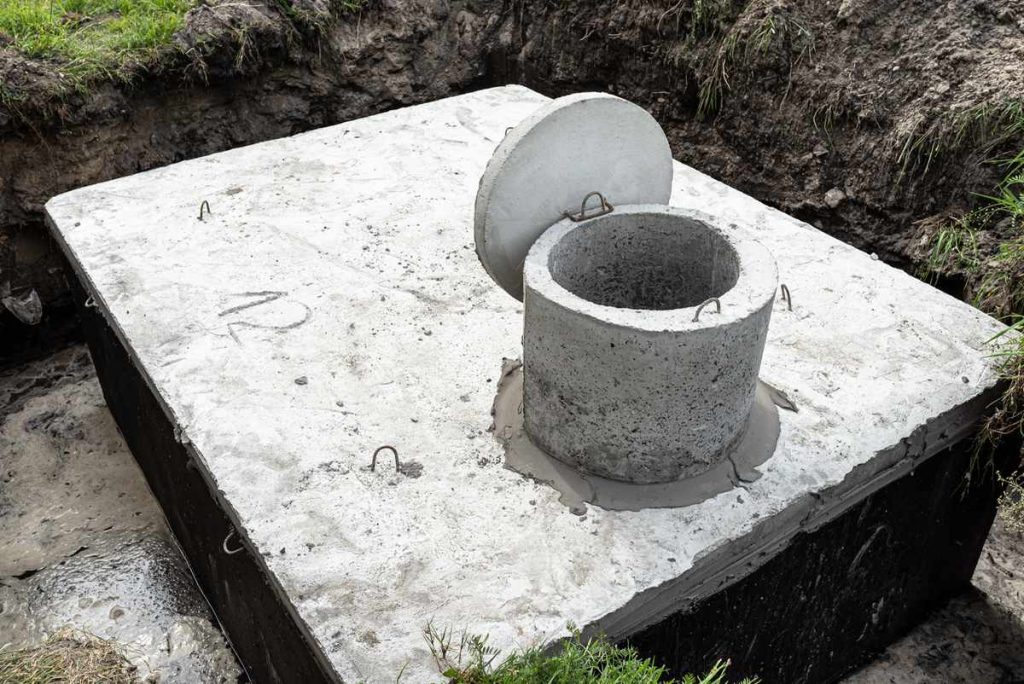
Choosing the material for a septic tank is a decision that affects durability and longevity. Concrete tanks are robust and have a long lifespan, often exceeding 40 years when properly maintained. Plastic tanks, though lighter and resistant to corrosion, must be installed with care to prevent structural damage. Steel tanks, less common due to susceptibility to rust, have mostly fallen out of favor. They require more frequent inspection and replacement, generally lasting around 15 to 20 years.
To ensure efficient wastewater treatment and extend system life, consider purchasing a tank with a baffle system designed to improve flow patterns and enhance solids settling. Septic tanks with a riser can also facilitate easier inspection and pumping, preserving the system’s function. Regardless of the chosen material, adhere to all manufacturer guidelines and local building codes to maximize the effectiveness and durability of the septic tank.
Leach Field Sizing and Layout
The size of a leach field directly correlates with the daily wastewater flow and the soil’s absorption rate. Professionals calculate the required area by considering the number of bedrooms, which assumes two individuals per bedroom and a daily wastewater generation rate. For example, a three-bedroom home typically requires a leach field of 450 to 900 square feet, depending on local regulations and soil percolation rates.
When determining the layout, soil type plays a pivotal role. Sandy soils with high percolation rates necessitate a smaller field compared to clay soils, which have lower absorption capabilities and require a larger area. Additionally, the property’s available space might dictate the layout; constraints may lead to a longer, narrower design or the use of a serial layout where space is limited.
Grading and drainage are fundamental to prevent system failure. The leach field should be positioned on a slight gradient, away from buildings and water sources, to ensure proper filtration and avoid water pooling. A gradient of 1 to 2 percent is typically recommended to facilitate appropriate drainage while preventing the too-rapid movement of effluent through the soil.
- Calculate the leach field size by assessing daily water usage and soil percolation rate.
- Consider soil type to adjust the layout: sandy soils require less space, while clay soils demand more.
- Ensure the field is graded properly, aiming for a 1 to 2 percent slope to optimize drainage without excessive percolation speed.
Decoding Septic System Compliance in Indiana
Indiana’s regulations for septic systems are specific and rigorous. Proper adherence ensures health safety and environmental conservation. By understanding the necessary regulations and securing permits, residents can protect water quality and successfully navigate the installation process.
State-Specific Regulations Overview
Septic system design and installation in Indiana abide by Title 410 IAC 6-8.3, often referred to as the Residential Onsite Sewage Systems Rule. Professionals must design systems to accommodate all anticipated wastewater flows while avoiding the contamination of water sources.
Permits and Approval Process in Indiana
Securing a permit is a definitive step in installing a septic system. The local health department reviews septic system designs and issues construction permits. A site evaluation, which includes soil testing and topographical considerations, precedes the application submission. Following installation, an inspection by the health department finalizes the compliance process.
Unexpected changes to the design or location during installation can require permit revisions. Homeowners and designers should promptly report such adjustments to avoid delays.
Impact of Local Regulations on Septic System Design
Local regulations dictate septic system design, primarily influencing tank size, leach field layout, and system type. Conventional systems might not suffice where soil conditions fail to meet the standards set by Indiana law. In such instances, alternative systems with advanced treatment capabilities become a necessity.
Responsive design strategies, such as adjusting the leach field size or selecting specific tank materials to align with regulatory mandates, ensure the success of septic system projects. The regulatory landscape also requires consideration of the water table, property lines, and existing structures.
For a seamless design and installation process, engaging with knowledgeable professionals who are versed in Indiana’s regulations will aid in meeting the state’s stringent requirements.
Explore the Future of Waste Management: Advanced Septic Treatment
As the demands on wastewater management evolve, so do the technologies at the forefront of septic system design. Pioneers in this field are continuously developing methods to enhance the efficiency and environmental harmony of these systems.
Advanced treatment systems deploy mechanisms that exceed conventional capabilities, refining effluent to higher purity levels before it percolates back into the ecosystem. This proactive approach targets the reduction of nutrient loads, pathogens, and organic matter beyond what typical septic systems can achieve.
Emerging Technologies in Septic System Design
- Microbial treatments enhance decomposition processes for solid waste.
- Membrane bioreactors integrate microfiltration, ensuring superior effluent quality.
- Nitrogen reduction systems specifically address excess nutrients, aiding in the prevention of eutrophication in water bodies.
Advantages of Advanced Treatment Systems for Environmental Health
Advanced treatment systems have a markedly positive impact on the surrounding environment. By substantially purifying the wastewater, these systems play a critical role in preserving aquatic ecosystems and guaranteeing safe groundwater levels.
- High-quality effluent minimizes the risk of contamination to local water sources.
- Reduction in nitrogen and phosphorus promotes balanced aquatic life.
- Adoption of advanced systems represents a commitment to safeguarding public health and ecosystems for future generations.
Considerations for Upgrading to a More Advanced System
When contemplating the transition to an advanced treatment system, several crucial considerations must be taken into account. The compatibility of existing septic systems with new technologies requires thorough analysis. A detailed understanding of current and future demands on the system ensures the selection of a suitable solution.
Costs associated with upgrading to an advanced system may be offset by long-term savings in maintenance and environmental remediation. Users must engage with certified professionals to ensure seamless integration and compliance with the latest regulations.
Engage with the latest septic system technologies to reinforce your role in preserving the environment. Reflect on how aligning your waste management practices with state-of-the-art solutions can contribute to the larger picture of sustainability.
Mastering Septic System Installation: A Guide to Excellence
The process of septic system installation involves meticulous steps that ensure functional integrity and compliance with regulations. One starts with a clear site plan, mapping out the precise location for the tank and drainfield. This step respects the details forged in previous stages such as soil analysis and design protocols. Following this, excavation is carried out, creating cavities for the septic tank and leach field.
Once the tank is properly seated in the excavation, connection of inlet and outlet pipes ensues. These pipes manage the flow between the house, the septic tank, and the leach field. Ensuring that these components are installed at the correct slopes guarantees optimal wastewater treatment.
Hire with Confidence: The Professional Touch
Engaging qualified professionals for the installation of a septic system transcends preference; it resonates with necessity. These experts bring forth an expansive toolset of knowledge, experience, and precision—all pivotal in safeguarding system effectiveness and endurance.
Technicians well-versed in local standards in Indiana will seamlessly integrate system components, reinforcing the network against common pitfalls. They adhere to best practices in installation, from tank positioning to drainfield configuration. As a result, the septic system is poised for efficient operation and a prolonged lifespan, sparing homeowners the frequent complications of haphazardly installed systems. Moreover, professional installers shoulder the responsibility of acquiring necessary permits, further streamlining the installation journey.
Laying a septic system’s foundations without expert guidance may expose the structure to risks of premature failure. Conversely, entrusting this task to certified installers pays dividends in performance and durability, translating to fewer repairs and uninterrupted service.
Long-Term Rewards: Installation Done Right
Proper installation lays the groundwork for a septic system’s success. A well-constructed system will not only meet immediate wastewater disposal needs but also works in harmony with the environment. This holds particularly true for Indiana’s delicate ecosystems, where rules and regulations are in place to protect the land and waterways.
From securing the tank on an even, stable base to backfilling, every action taken during installation bears weight on the system’s function. The leach field is laid out with precision, ensuring effluent is adequately filtered through the soil, an indispensable step for preventing groundwater contamination.
Moreover, correctly installed components facilitate ease of access for routine maintenance—a keystone of system longevity. In sum, investing in a professional installation translates to a robust septic system, primed to serve a property efficiently for many years.
Navigating the Intricacies of Septic System Piping
Designing a septic system necessitates meticulous planning of its piping network. What materials are typically used, and why do these choices matter? Concrete, PVC (polyvinyl chloride), and ABS (acrylonitrile butadiene styrene) are the most commonly implemented pipes in septic systems. Concrete pipes offer durability and are highly resistant to corrosion from sewage. PVC and ABS pipes, meanwhile, are prized for their lightweight, ease of installation, and resistance to both corrosion and chemical damage.
Optimizing Pipe Gradient
Pipe gradient is a critical aspect of septic system design; failure to achieve the correct slope can compromise the entire system’s operation. The gradient ensures that effluent flows smoothly towards the drain field without the aid of pumps. On standard gravity-fed systems, a slope of 1/8 to 1/4 inch per foot is usually sufficient to maintain this flow, barring specific local guidelines that must be adhered to.
Precision in Placement
Strategic placement of pipes directly influences the septic system’s efficiency. Pipes must be laid out to avoid areas with heavy traffic or potential for soil compaction, as this can damage the pipes or impede the flow of wastewater. Also, they should be deep enough to prevent freezing yet remain accessible for maintenance.
Understanding how infrastructure design contributes to septic system performance helps ensure that the final construct will operate as expected. Each component, from the pipes to the tank to the drain field, interacts within a delicate balance. An effectively designed infrastructure mitigates risks of blockage and premature system failure, thereby prolonging the lifespan of the septic system and securing the investment made into it.
Final Thoughts on Navigating Septic System Design
Mastering septic system design intertwines soil science, engineering, and local governance. From recognizing the various systems available to grasping soil percolation tests, each component serves a unique role in the larger wastewater management picture. Revolving around the core of capacity, material considerations for tanks, and leach field configurations, these systems prioritize efficient sewage treatment without compromising environmental integrity.
Engagement with Indiana’s specific regulations and permit requirements upholds compliance and sustainability. Acknowledging the ongoing investments from installation expenses to maintenance practices, homeowners are equipped to make informed financial decisions. Advanced treatment technologies present further options for those seeking enhanced performance or facing restrictive site conditions. The integration of proper drainage, grading, and infrastructure anchors this complex process, ensuring a lasting and reliable septic system.
As designs and specifications are not one-size-fits-all, taking an active role in understanding these intricate requirements becomes paramount. Readers are encouraged to delve into the details of local guidelines and to connect with professionals for a tailored approach to septic system design. For thorough planning and execution, seeking expert consultation will yield a design well-suited to individual needs and site specifications.
Embarking on your septic system project? Reach out to a certified professional or visit the provided additional resources for in-depth information and guidance on your wastewater management journey.